Maximize your experience at the exhibition: Prepare these things before you go.
<!--img--> 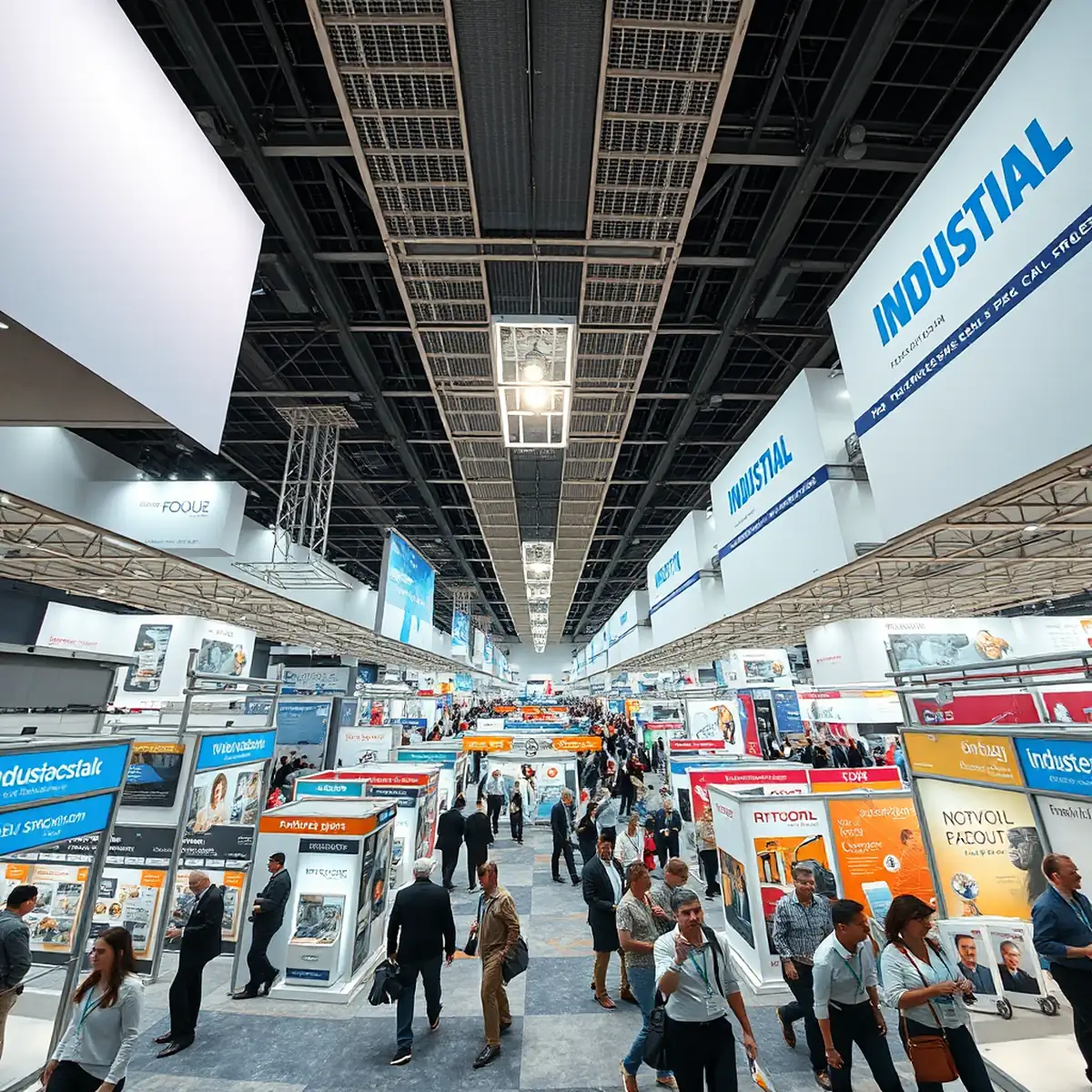
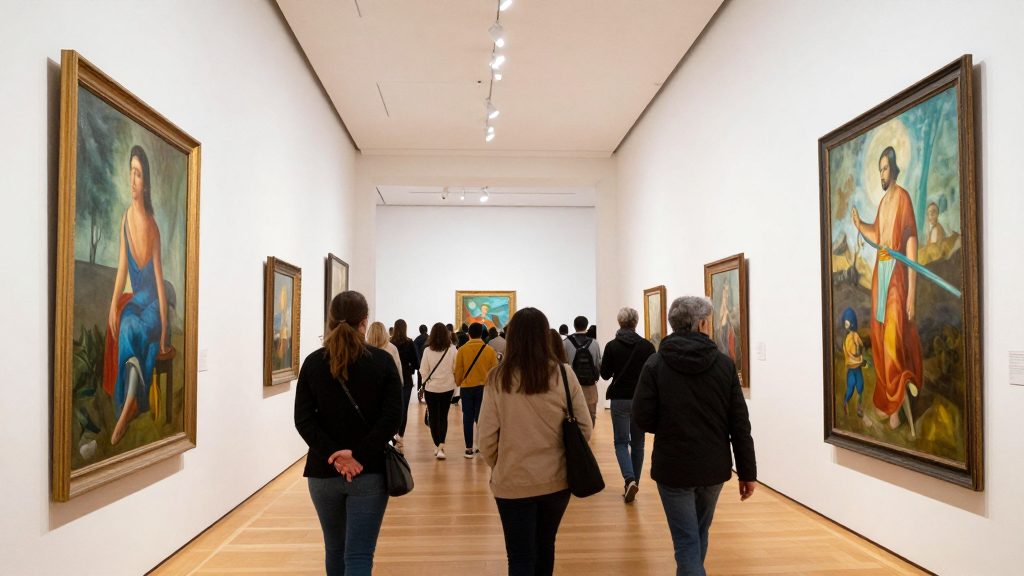
Trade shows and exhibitions are excellent opportunities to see industry trends, new products, and innovations all in one place. However, due to their large scale, attending without preparation can lead to wasted time and missed opportunities. Here's a guide to help you prepare for a productive visit.
Pre-Visit Checklist:
- Booth Research: Identify booths of interest and plan your route in advance. Review the exhibition map to optimize your visit.
- Seminar Schedule: Check the schedule for lectures, seminars, and demonstrations to ensure you don't miss key programs.
- Pre-Registration: Register in advance to save time and potentially receive discounts on admission.
- Essentials: Bring business cards, a bag to carry materials, a portable charger, and comfortable shoes.
Trade Shows: A Treasure Trove of Information
Industry exhibitions are more than just sightseeing; they're a repository of information related to employment, entrepreneurship, trends, and networking. By setting clear objectives (e.g., gathering information, finding potential clients, job searching) and focusing on those goals, you're more likely to gain valuable insights.
Large trade shows are impossible to cover in a single day. Therefore, it's best to prioritize "must-see" booths and identify others you can visit if time allows. Having clear priorities will help you stay focused even when crowds are present, allowing you to focus on the most important aspects.
The Value Lies in What You Do After:
The value of a trade show is amplified when you promptly organize the materials and business cards you collect, and follow up with booths that made a strong impression. Don't let your visit end with just "sightseeing"; use it as an opportunity to build connections.
Good Habits to Cultivate at the Show:
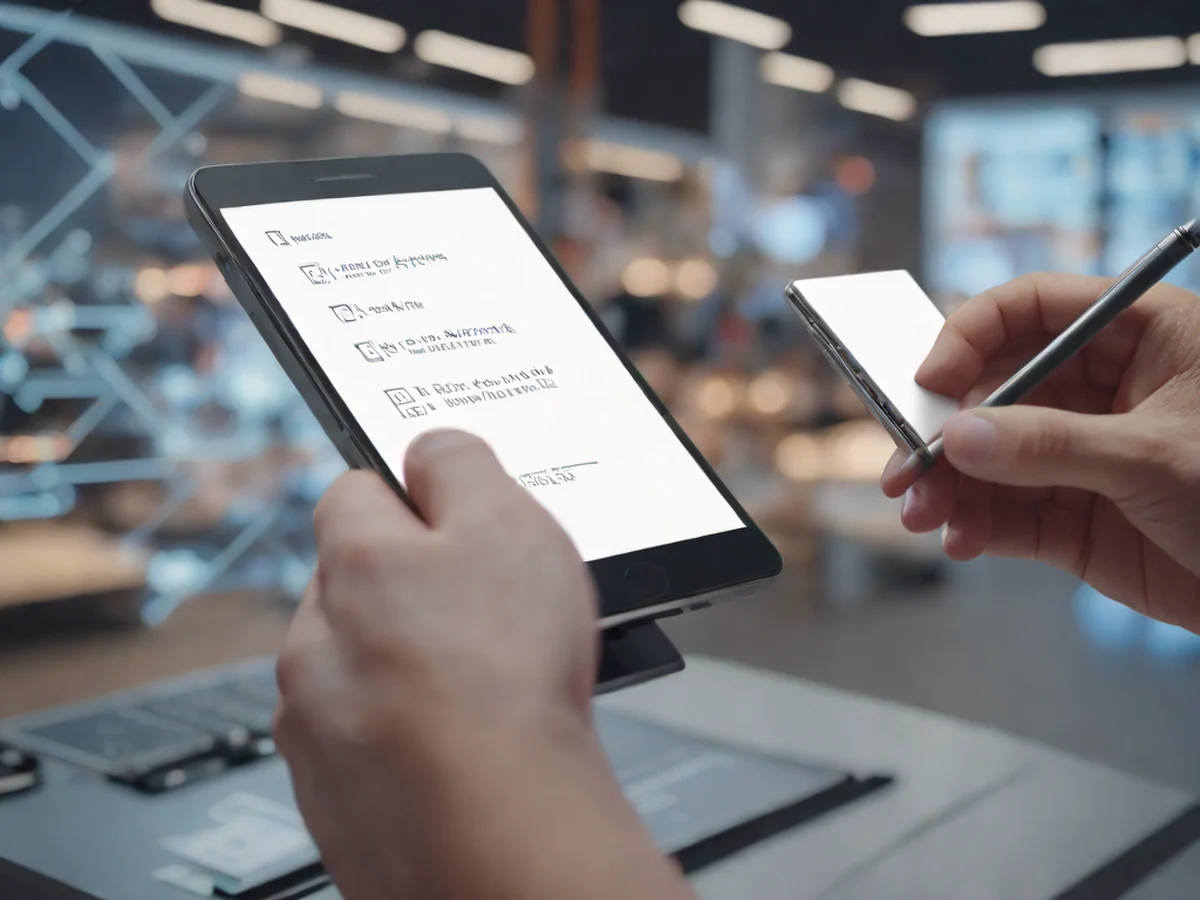
- Immediate Note-Taking: Jot down a brief note next to booths that catch your attention; this will help you remember key details later.
- Photo Documentation: Take pictures of booth names and materials for easy organization and reference.
- Pace Yourself: Take breaks throughout the day to maintain focus and energy levels.
Strategic Approaches Based on Your Goals:
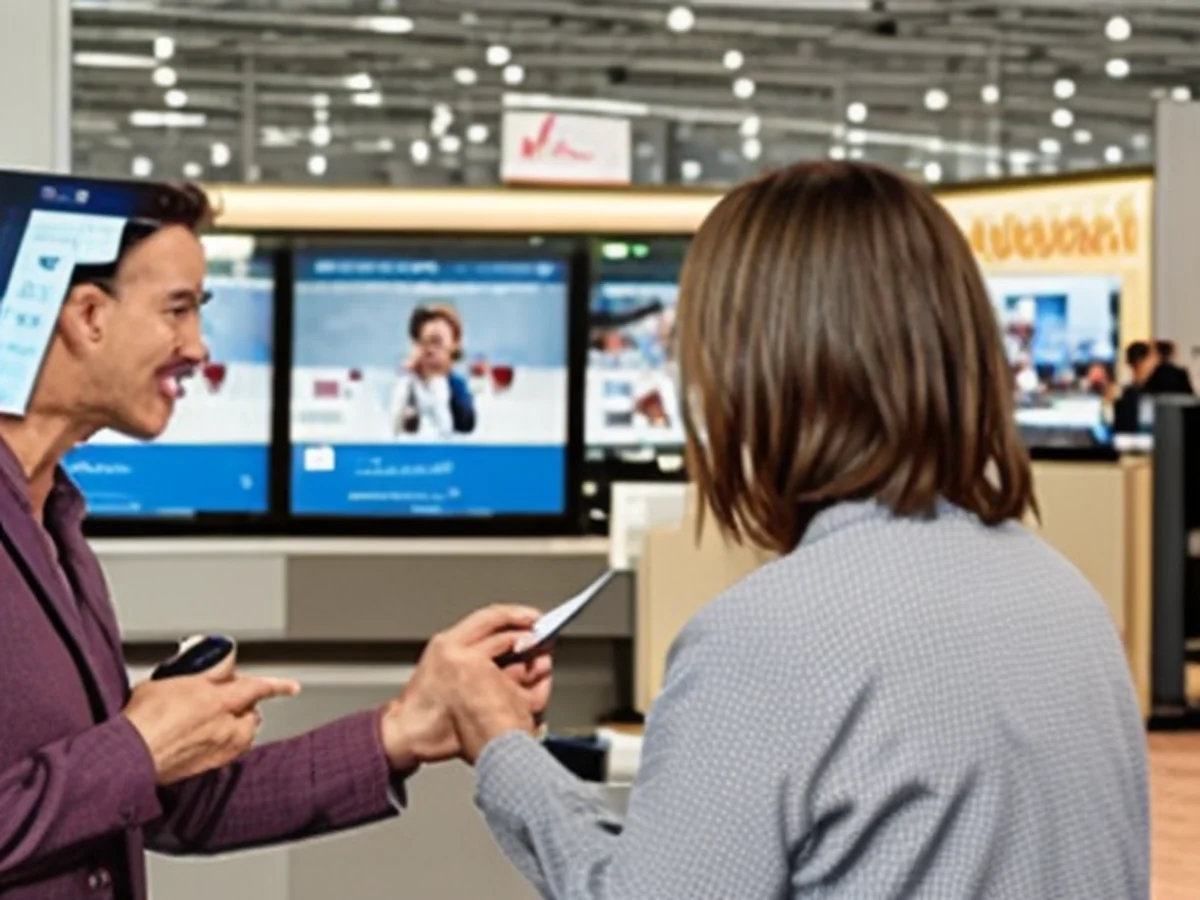
The way you navigate a trade show depends on what you hope to achieve. If your goal is employment, prioritize booths with recruitment activities and schedule interviews or consultations. Prepare your resume and portfolio in advance to maximize opportunities. If you're focused on understanding trends, structure your visit around new product demonstrations and relevant seminars. If you're seeking potential clients, bring plenty of business cards and aim to have brief conversations with representatives from companies you're interested in. The clearer your objectives, the more valuable your time will be. Instead of trying to accomplish everything in one visit, focus on the most important one or two goals; this will ultimately lead to more meaningful results.
The same trade show can be a treasure island for those who are prepared.
OlExpo provides information on trade shows, exhibitions, and conventions across the country, along with tips and reviews to help you make the most of your visit.
<!--enr--> ## Quick Comparison
| Category | Item A (Successful Trade Show Visit) | Item B (Inefficient Trade Show Visit) |
|---|---|---|
| Preparation | Research booths in advance, plan route, confirm seminar schedule, complete pre-registration | Visit without a plan, longer waiting times, miss key programs |
| Essentials | Bring business cards, power bank, comfortable shoes, and a bag for materials | Lack essential items, leading to fatigue and hindered information gathering |
| Objective Setting | Clear goals such as job hunting, understanding industry trends, or finding new clients | Visit only to "browse," resulting in scattered and unfocused information |
| On-Site Habits | Immediately take notes, photograph key details, include short breaks | Uncertain memory of information, easily get tired |
| Follow-Up Actions | Immediately organize received materials and business cards; follow up promptly | Information not organized, opportunities lost |
Frequently Asked Questions (FAQ)
Q1. What is the most important thing to prepare before attending the exhibition? The key preparation that determines your success at the exhibition is researching booths in advance and checking seminar schedules. Reviewing the exhibition floor plan ahead of time, listing your interested booths and lecture times, and planning your route are essential.
Q2. Why is pre-registration important? Pre-registering helps reduce waiting time at entry, and some exhibitions offer discounted admission for early registrants. For large-scale events, on-site registration often involves long lines—making pre-registration essential.
Q3. How can you effectively collect information at the exhibition? Strategy is crucial based on your goal. If seeking employment, prioritize checking recruitment booths and on-site interview schedules, and bring a ready portfolio. For tracking industry trends, focus on new product demonstrations and seminars.
Q4. What should you do after the exhibition to maximize its value? Immediately organize materials and business cards received on-site, then follow up with booths that made a strong impression. Don’t just “browse”—turn the experience into meaningful connections to truly unlock lasting value.
Popular posts
Seven Key Checkpoints for Exhibition Preparation.
Essential Checklist for Exhibition Beginners: 4 Key Principles Every Novice Should Know.
Struggling to choose an exhibition? Should you prioritize "ease of viewing" versus "depth
Comments 0