Here are three ways to make your Expo visit more than just a simple sightseeing trip:
AllExpo offers a wealth of information, and while many users have already benefited from articles like "200% Utilization of Expos: Prepare These Things Before You Go," simply preparing for a visit isn't always enough to fully realize the purpose of attending. This article delves deeper into how to leverage exhibitions in a more meaningful way, focusing on three key perspectives: expanding knowledge, fostering networking, and exploring business connections. These approaches transform a simple visit into a far more valuable experience.
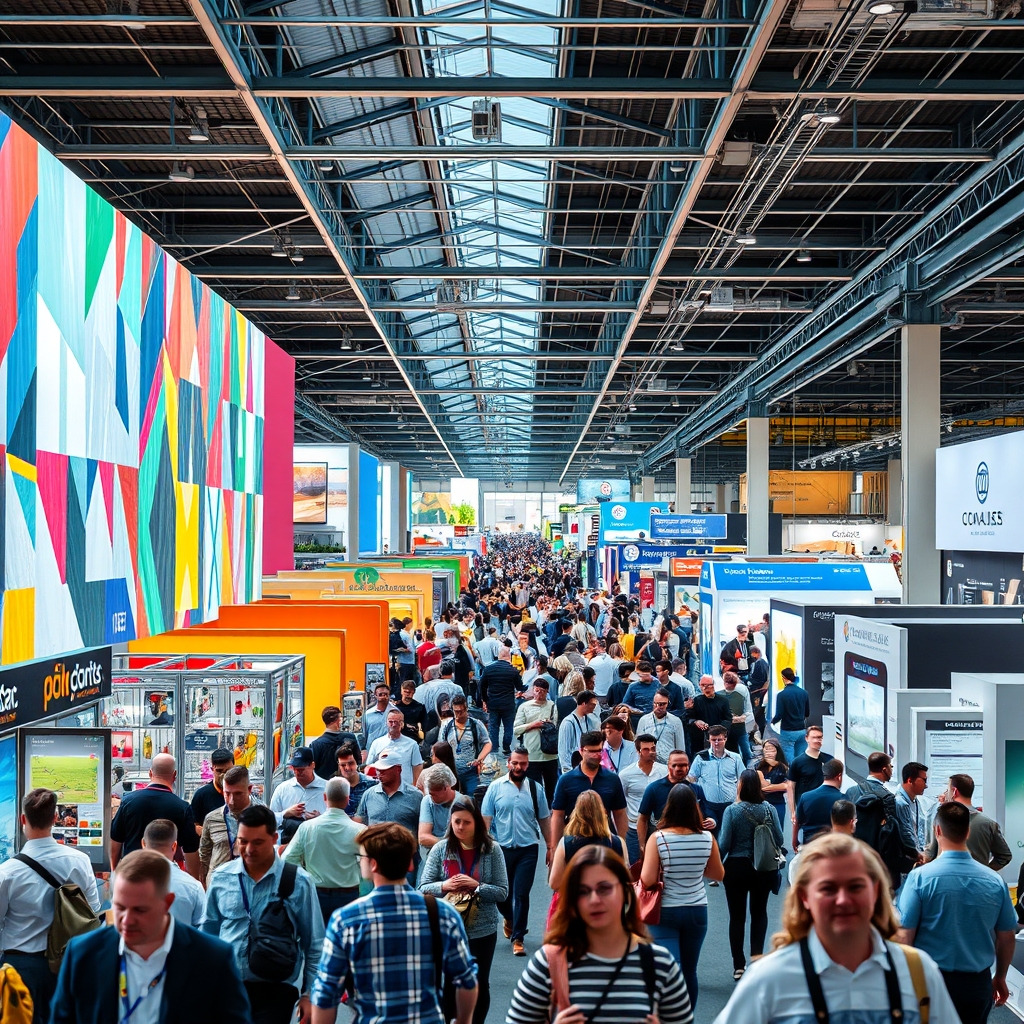
1. "Reading" the Exhibition: Understanding and Building on Information Flow
Instead of simply walking around, it's crucial to perceive the entire exhibition space as a "flow of information." Exhibitions typically follow a structure:
* Theme: The central issue or trend the exhibition focuses on. * Objective: The message intended to convey upcoming market trends, technologies, or social changes. * Information Delivery Method: Storytelling, visuals, interactive content, etc.
"Reading" this structure means understanding not just the surface level but also "what is being conveyed?" For example, an exhibition on "Future Transportation" repeatedly emphasizes keywords like autonomous driving, energy efficiency, and human-centered design rather than traditional vehicle production methods. Understanding these messages and the strategies behind them significantly enhances the viewing experience.
Practical Tips:
* Always check the "overall layout map" provided at the entrance. Understanding the order of themes helps you plan your route more effectively. * Quickly scan the descriptions at each booth and summarize the key framework. For example: Problem → Solution → Real-World Application. * Clearly define "what you want to learn" during the exhibition. For example, if you're interested in "how to commercialize sustainable energy," prioritize related booths.
By approaching the exhibition this way, you can follow the "flow of information" and create a network of knowledge rather than simply acquiring isolated pieces of information.
2. Strategic Networking: The Key to Conversation is "Asking Questions"
One common regret among attendees is leaving without engaging in meaningful conversations. However, exhibitions offer a unique opportunity to acquire valuable information and build connections simultaneously. The key is to start with the question, "What do I want to gain?" rather than focusing on "what can I offer?".
Examples of Networking Failures:
* "What products do you offer here?" → The response typically leads to a product description. * "What brings you here?" → The answer usually ends with "I work for a company."
When conversations start with simple explanations, the flow is immediately cut off. Conversely, understanding and empathizing with the other person's perspective through questions is a shortcut to successful networking.
For example, when visiting a booth with engineers, try asking:
* "What were the biggest challenges in developing this technology?" * "What kind of feedback have you received from actual customers using this technology?"
These questions lead to an understanding of experience, challenges, and achievements, rather than just receiving information. The other person feels "recognized," leading to a deeper conversation.
Practical Tips:
* Before visiting each booth, spend 30 seconds observing the other person's profile or work. * Within one minute, share "what you know" and then ask "what you want to know." * After the conversation, exchange contact information or request a link to their social media profile.
Networking is more about the "relationship-building journey" than a one-on-one conversation. Exhibitions provide a space to strengthen this process.
3. Exploring Business Connection Opportunities: Exhibitions Enable "Targeting"
Trade shows and industry exhibitions offer more than just product introductions. They provide a platform for connecting entrepreneurs, business leaders, and investors. This is not simply "marketing" but a strategic process for exploring market entry pathways.
For example, if you're at a "Smart Healthcare" exhibition and talk to app developers to understand what types of treatment models they want to integrate with, you can explore potential partnerships with healthcare companies. The key is not "what I can do" but rather, "who can I connect with?".
Three Strategies for Business Connections:
* Clearly define your area of interest. For example, "sustainable technology" or "AI-powered e-commerce." * Research companies in that field beforehand. Utilize the list of participating companies available on the AllExpo website. * Clearly communicate "what you can offer" when you visit. For example, "I'm a UX designer. I analyze user behavior data using AI-powered platforms."
This approach builds much more trust than simply making a proposal. Business connections start with "what value can I provide?" rather than "what do I want?".
Conclusion: Exhibitions are Not Just About "Going," But About "Creating"
AllExpo is more than just an exhibition space; it's a multi-purpose platform for expanding knowledge, building relationships, and exploring business opportunities. The more important question than "what should I prepare before going?" is "what changes will I bring back with me?".
The three approaches outlined in this article transform each exhibition experience from simply "viewing" to reading, conversing, and connecting. This ultimately creates an opportunity for a single visit to lead to real results rather than just accumulating data.
A single exhibition visit can be a shortcut to change in a year.
Popular posts
Seven Key Checkpoints for Exhibition Preparation.
Essential Checklist for Exhibition Beginners: 4 Key Principles Every Novice Should Know.
Struggling to choose an exhibition? Should you prioritize "ease of viewing" versus "depth of content"? What criteria should you use to make your decision?
Comments 0