Essential Checklist for Exhibition Beginners: 4 Key Principles Every Novice Should Know.
Attending exhibitions is more than just passive viewing; it's an activity that involves gathering information, recording experiences, and cultivating your own unique sense of appreciation for exhibitions. For those new to the world of exhibitions, there are often questions like "Which exhibition should I attend?", "What should I focus on?", and "How can I make the experience more efficient?" This guide provides practical principles for exhibition novices, offering a foundational philosophy for appreciating exhibitions and providing concrete, actionable steps to enhance the experience.
1. Clearly Define Your "Purpose" When Choosing an Exhibition
Exhibitions come in a wide variety of types and cover diverse themes. Strategically selecting an exhibition that aligns with your interests is the first step. However, many beginners focus solely on what's "popular," leading them to attend exhibitions that may not be meaningful. The key is to clearly define your purpose for attending.
- If you want to experience art exhibitions, pay attention to the artist's intentions and the social messages conveyed by the artwork.
- If you are interested in technology or future exhibitions, focus on how technology is changing our lives.
- If you are attending a history or culture exhibition, analyze the context of that era and how human life was reflected in it.
For example, "digital art exhibitions," which are becoming increasingly common, often focus on aesthetics and visual impact. However, it's important to understand the underlying technology or the artist's message. Instead of simply thinking, "It's pretty," ask yourself, "Why was it expressed in that way?" This small habit will continuously develop your sense of appreciation for exhibitions.
2. Before Entering, Plan Your "Viewing Time and Route"
Exhibitions typically take between 1 and 3 hours, and the viewing time naturally increases with larger spaces or a greater number of artworks. However, a common mistake for beginners is to "just follow the flow." Walking through too many complex routes in an exhibition can be overwhelming and lead to a lack of focus, making it difficult to remember what you saw.
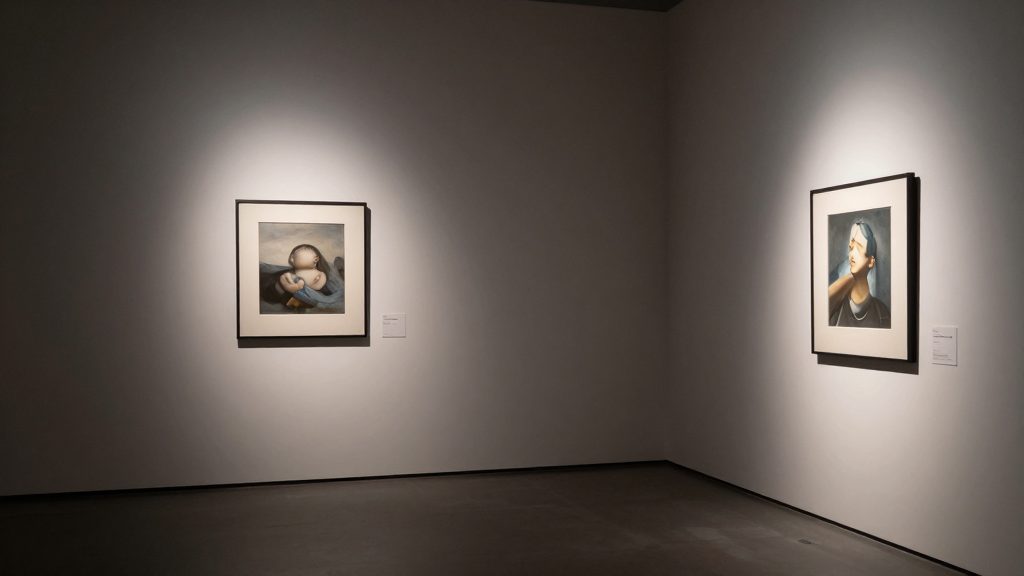
Here are three key checkpoints:
- Check the official exhibition map or brochure: Always review the maps and informational materials provided at the entrance.
- Plan your route: If there are "10 zones in total," prioritize 3-4 zones that interest you and determine the order in which you will visit them. For example: "Zone 1 (Sculpture) → Zone 3 (Video Art) → Zone 5 (Modern Design)."
- Manage your viewing time: Aim to complete one zone within 30 minutes to 1 hour. Staying in one place for too long can lead to fatigue and reduce your concentration on the next artwork.
Also, check the battery level of your smartphone and the location of power outlets within the exhibition hall. While photography may be restricted in some exhibitions, documenting what you see in permitted areas can be a valuable way to preserve memories.
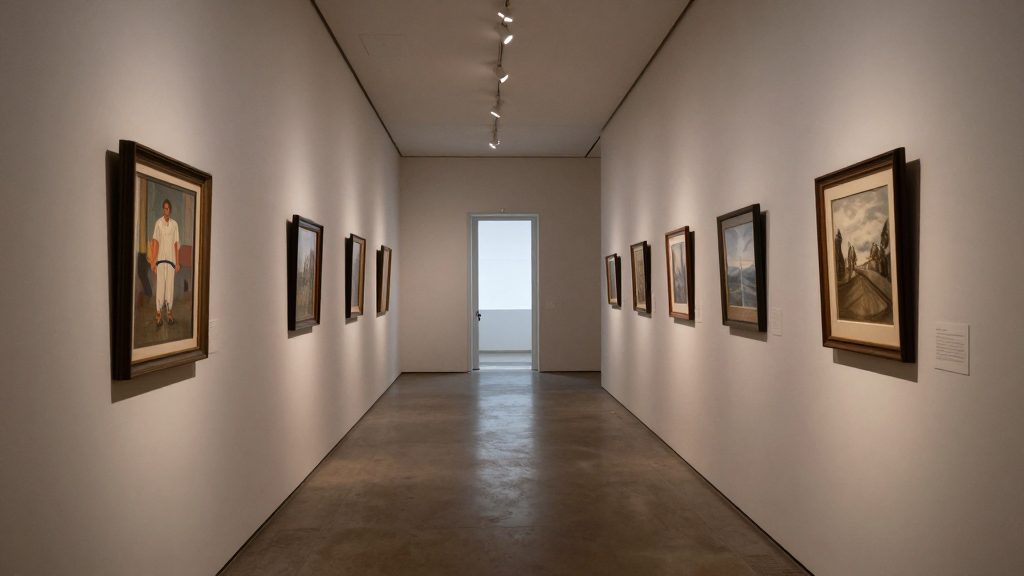
3. When Viewing Artworks, Follow These Three Steps: "Observe → Analyze → React"
The greatest benefit of attending an exhibition is not just "seeing," but rather reflecting on why you saw what you did. It's important to develop a habit of interacting with the artworks, rather than simply observing them passively.
- Observe (Initial Impression): Stand in front of the artwork for 3 seconds and take a moment to identify what you see. Focus on sensory elements such as color, shape, material, and composition.
- Analyze (Intention and Context): Ask yourself questions like, "Why was this artwork created in this way?" or "What social phenomenon or emotion does it convey?"
- React (Record and Connect): If something resonates with you, jot down your thoughts or feelings in a small note. For example: "This artwork seems to express loneliness through color," or "It questions the boundaries between humans and machines."
By repeating these three steps, your experience of attending an exhibition will shift from a passive "flow of memories" to an active process of "organizing your impressions." Developing the habit of writing down your thoughts, even in a journal-like format, will allow you to quickly recall the meaning of the exhibition when you revisit it later.
4. After Viewing, Take Time to "Organize Your Memories" and Plan for the Next Exhibition

There's often a sense of regret after an exhibition ends. However, memories fade over time. Therefore, it's essential to set aside some time within 24 hours of your visit for memory consolidation.
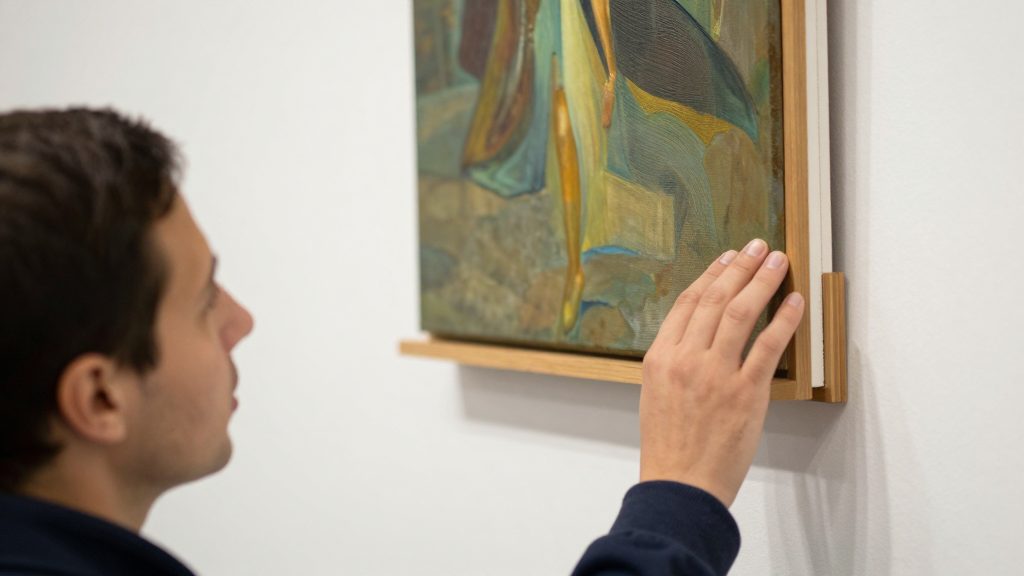
- Write a brief note: Choose 1-2 artworks that impressed you the most and summarize your reasons for liking them and your feelings about them in 3 sentences.
- Share your review (optional): Sharing a short review on your blog, social media, or the exhibition's feedback board can help you develop your own unique sense of appreciation for exhibitions.
- Plan for the next exhibition: Search for upcoming exhibitions related to the themes you explored in the previous one. For example, if you attended an exhibition about "climate change," look for upcoming exhibitions related to "sustainable design."
These routines transform a simple viewing experience into a personal learning process.
In Summary
- Attending an exhibition is not just about "seeing," but about reflecting on why you saw what you did. Clearly defining your purpose can reduce aimless wandering.
- Planning your route and viewing time in advance, and completing one zone within 30 minutes to 1 hour, is effective for maintaining focus.
- When viewing artworks, follow the three steps: "Observe → Analyze → React." Recording your thoughts and feelings will naturally improve your memory and interpretive skills.
- Write a note within 24 hours of your visit and plan for the next exhibition. This habit will foster a personal interest in exhibitions and a deeper understanding of their meaning.
Exhibitions are not just places to "look at things," but opportunities to expand your inner vision. The more thoroughly you prepare and the more honestly you engage with the experience, the more a single exhibition will become not just a journey, but a time for self-reflection.
Related posts
Seven Key Checkpoints for Exhibition Preparation.
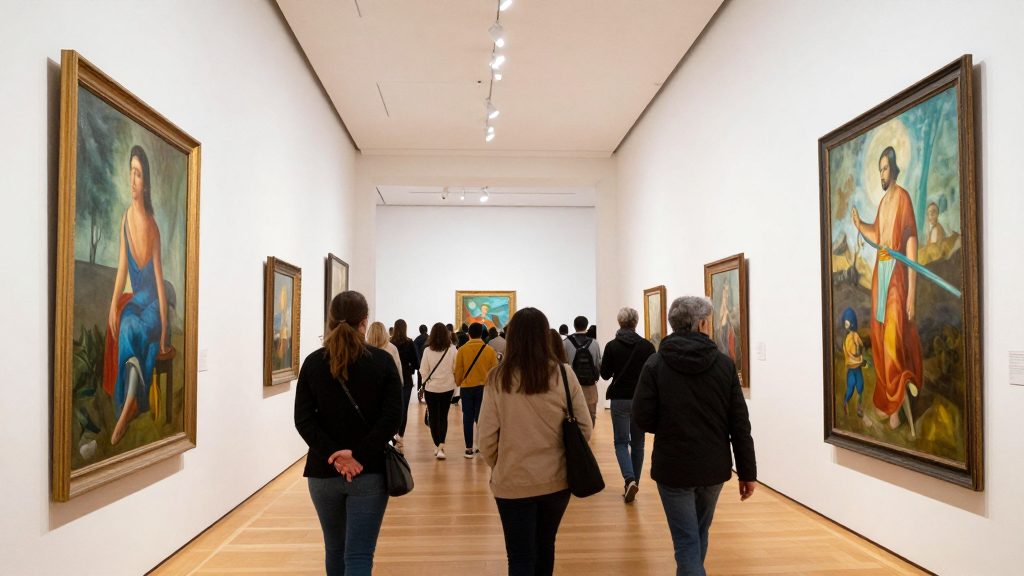
Struggling to choose an exhibition? Should you prioritize "ease of viewing" versus "depth of content"? What criteria should you use to make your decision?
Here are 5 key pieces of "real information" that exhibition attendees often miss, based on practical advice gathered from post-event feedback:
Why should preparations for the exhibition start at this time?
Popular posts
Seven Key Checkpoints for Exhibition Preparation.
Struggling to choose an exhibition? Should you prioritize "ease of viewing" versus "depth of content"? What criteria should you use to make your decision?
Comments 0