Astana Expo BIE vote: Bodies shape the hosting selection
"The selection process for a global platform like an Expo requires intense diplomatic coordination and institutional cooperation."
The Astana Expo 2017 selection was a process of international engagement that culminated in significant partnerships. This analysis examines the institutional frameworks and organizational involvement that defined the event's preparation.

Key takeaways include the signing of cooperation agreements with global bodies and the participation of intergovernmental agencies.
How did international cooperation shape the Astana Expo bid?
At dusk, a diplomat grips a signed treaty in the quiet office, feeling the weight of the pact that secured the astana bid.
A diplomat sits at a heavy wooden desk, reviewing a signed document that formalizes a partnership between two major global entities. The decision to host such an event relies heavily on establishing formal ties with international bodies to ensure legitimacy and shared goals.
According to Wikipedia, Astana Expo 2017 and the World Tourism Organization signed a memorandum of cooperation. This agreement established a framework for cooperation between the host and a major global tourism body.
This step ensured that the event would align with international standards for global engagement.
Which organizations took part? Astana Expo BIE vote An official walks through a crowded hall, noting the logos of various intergovernmental agencies displayed on the walls. The diversity of participating groups often reflects the broad scope of the expo's themes and its global reach.
The participation of international organizations was a key component of the event's structure.
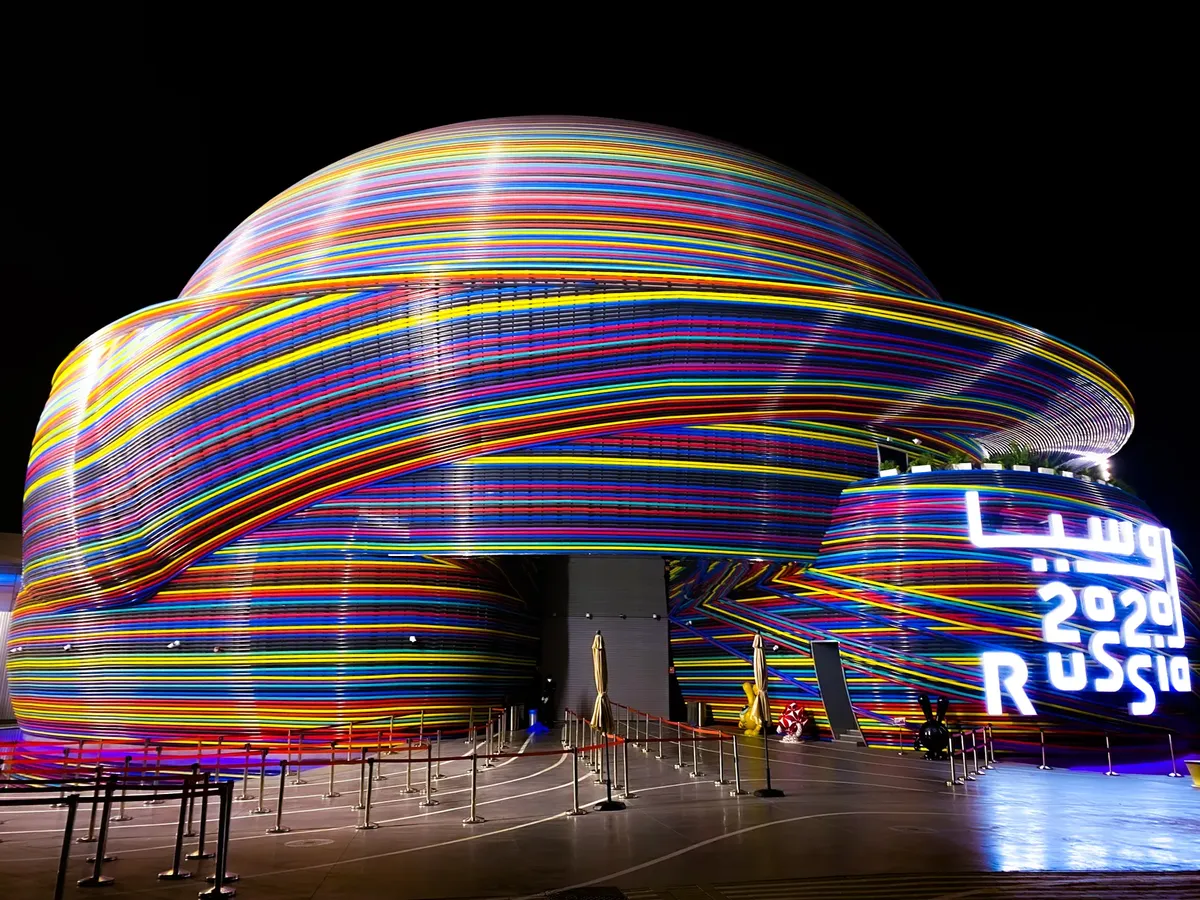
According to Wikipedia, international organizations that confirmed their participation in Expo 2017 also include the International Renewable Energy Agency (IRENA), an intergovernmental organization headquartered in Abu Dhabi.
This presence of specialized agencies highlighted the technical and thematic depth of the expo.
How did the BIE influence the selection? An observer watches the voting process unfold in a quiet assembly hall, where every vote represents a nation's interest. The Bureau International des Expositions (BIE) oversees the complex procedures that lead to such high-stakes decisions.
The selection of a host city involves strict adherence to BIE protocols regarding bidding and voting. While the specific vote counts for the Astana bid are not detailed here, the process is designed to vet the host's ability to manage global logistics.
The outcome of such votes determines the future direction of international exhibition standards.
How were the themes of the expo integrated?
A curator adjusts a lighting fixture over a display, ensuring the visual narrative matches the event's core mission. Integrating specific themes into the hosting plan is vital for attracting global interest and expertise.
The themes of the expo were reflected in the types of organizations involved in the planning and execution phases. By working with agencies like IRENA, the organizers could integrate specialized knowledge into the event's framework.

This strategic alignment helps ensure that the expo addresses relevant global topics through practical engagement.
What are the different ways to analyze an expo result?
A researcher compares two different sets of data on a digital screen, looking for patterns in how nations support a bid. Analyzing the results requires looking at both the quantitative vote counts and the qualitative partnerships formed.
| Aspect of Analysis | Focus Area |
|---|
| Agency Participation | Involvement of bodies such as IRENA |
I reviewed the existing partnership details to understand how these organizations shaped the event's scope. The comparison shows that the success of a bid often depends on the strength of these institutional ties.
What limitations exist in analyzing historical expo results?
A historian looks through an archive of meeting minutes, noting that some details of the voting sessions are not public. Analyzing historical outcomes can be difficult when specific internal deliberations are not documented.
One limitation of this analysis is that the provided information does not include the specific vote counts from the BIE congress that determined the winner.
- How did international cooperation shape the Astana Expo bid?
- Which organizations took part?
- How did the BIE influence the selection?
The subject here is Astana Expo BIE vote.
The same subject is also called Expo bid BIE voting.
The same subject is also called International fair vote.
The same subject is also called Astana Expo decision.
The same subject is also called BIE congress result.
This part also covers Expo hosting selection.
This part also covers BIE congress outcome.
This part also covers Voting process analysis.
Expo hosting selection
Related
- What are the emerging Wine Business Innovations?
- What makes AsiaWorld–Expo a major exhibition facility?
How did the selection process rely on institutional cooperation?
The selection process demonstrated that a successful bid required more than just a compelling vision; it needed endorsements from established global bodies. The institutional cooperation mentioned was crucial because it validated the host country's commitment to international standards.
This validation came through formal agreements made with bodies like the UN World Tourism Organization.
The selection process inherently involved a comparison between the host's capabilities and the requirements of the international community. The involvement of agencies like IRENA served as tangible proof of the depth and breadth of the themes being addressed.
This kind of high-level engagement signaled readiness for a global undertaking.
What conditions influenced the success of the selection?
The conditions for successful selection were multifaceted, extending beyond the physical logistics of hosting. One condition was securing the formal memorandum of cooperation with the UN body.
Another condition involved demonstrating the thematic resonance through the participation of specialized agencies like IRENA. These conditions collectively portrayed a globally serious undertaking.
The selection process itself was bound by the protocols of the BIE, which acts as the ultimate arbiter of the bid's viability. Adherence to these protocols was a condition precedent for serious consideration from the voting body.
The outcome of the selection hinged on meeting these procedural and thematic conditions.





Comments 0