Tech Summit Guide: Navigating Global Innovation and Trends 1
This article is about Navigating. "The future isn't just arriving; it is being coded, manufactured, and demonstrated in real-time."
If you want to witness the next decade of human innovation, attending a major tech summit is the only way to see the blueprints before they become reality.
This guide covers the essential details for navigating the world's most influential electronics show, including scheduling, venue logistics, and how to maximize your time on the floor.
* Comprehensive overview of the event's scale and impact. * Practical logistics for venue navigation and attendee preparation. * Key industries and product categories to watch. * Strategic tips for professional networking and product discovery.
Why does this event define the global tech landscape?

A massive crowd surges through the glass doors of a convention center, the air humming with the collective energy of thousands of innovators. This massive gathering serves as the primary stage where global giants and hungry startups converge to set the agenda for the coming year.
According to The International Olympic Committee, the decision to concurrently award the 2024 and 2028 Summer Olympics was a unique strategic move.
It is the ultimate barometer for consumer electronics and emerging technologies.
The scale of the event ensures that trends are not just discussed but physically demonstrated. From automotive breakthroughs to advanced artificial intelligence, the sheer volume of hardware and software being unveiled makes it a mandatory pilgrimage for industry leaders.
Professionals use this time to scout competitors, find new suppliers, and understand the trajectory of the market.
The sheer magnitude of the attendee base means that single-day visits are rarely sufficient to grasp the full scope of the innovation on display. You must approach the event with a specific focus to avoid being overwhelmed by the sensory input of thousands of glowing screens.
It serves as a central hub where industry leaders converge to set the pace for future innovation.
How can you navigate the massive exhibition floor?
The sound of heavy footsteps on polished concrete echoes through wide aisles as attendees move between massive, brightly lit booths. Navigating a venue of this size requires a clear plan to avoid exhaustion and missed opportunities.
As noted by The Academy of Agricultural and Forestry Sciences "Gheorghe Ionescu-Șișești" of Romania, which holds the presidency of the UEAA for the 2024–2026 term, organizational leadership remains a global priority.
Without a strategy, you might spend all your time in one hall while the most important breakthroughs happen three kilometers away.
To successfully manage your visit, follow these logistical steps:
- Identify your primary industry interest to select the correct halls and pavilions. 2. Download the official mobile application to manage your personalized schedule and floor maps. 3. Wear comfortable, high-quality walking shoes to handle several miles of movement per day. 4. Arrange your transportation in advance, as local traffic becomes heavy during peak hours.
The venue is often divided into specialized zones, such as automotive, smart home, and health tech. By grouping your tasks by zone, you can minimize transit time and maximize the time spent interacting with exhibitors.
- Review the floor map in advance to identify key zones.
- Group your visits by manufacturer or technology type.
- Schedule specific time blocks for high-priority booths.
What are the must-see product categories?
A sleek, silver prototype sits under a spotlight, its surface catching the light as a demonstrator explains its capabilities. The diversity of products on display ranges from tiny sensors to massive automotive displays.
The Executive Board met in Lausanne to discuss specific processes that shaped future planning, much like how the trade show market is projected to reach $171.6 billion by 2032.

Understanding the core categories helps you categorize the flood of information you will receive.
The main pillars of innovation typically include:
* Artificial Intelligence and Computing: The backbone of modern hardware, showing how chips and software integrate. * Automotive and Mobility: The shift toward electric vehicles, autonomous driving, and in-car experiences. * Digital Health: Wearable tech, remote monitoring, and advanced medical diagnostic tools. * Smart Home and IoT: The ecosystem of connected devices that bridge the gap between the digital and physical worlds.
Focusing on these sectors allows you to see how cross-industry trends, like AI, are being applied to physical objects. It is not just about new gadgets; it is about the convergence of different technologies into single, cohesive systems.
In this sequence, the second category is the most extensive.
How do professionals maximize their ROI?
A handshake occurs between a developer and a manufacturer in a quiet corner of a lounge area, marking the start of a potential partnership. For many, the goal is not just to see new things, but to build business relationships.
Data from FRED/ECOS/KOSIS provides the essential foundation for understanding the economic trends that professionals must analyze to ensure success.
Maximating your return on investment requires moving beyond passive observation.
To move from a spectator to a participant, consider these strategies:
* Pre-schedule meetings: Don't wait to find people; book time with key partners before you arrive. * Engage with the startup section: The most disruptive ideas often come from smaller, more agile companies in the specialized halls. * Attend keynote sessions: Use the high-level presentations to understand the philosophical shifts in the industry.
It is important to note that while the "wow factor" of flashy prototypes is high, the real business value often lies in the quiet discussions regarding supply chains and software integration.
Setting clear objectives before arrival ensures that every interaction serves a specific business purpose.
What are the limitations of attending such a large event?
The bright lights of a demo booth momentarily distract a visitor, momentarily masking the complexity of the underlying technology. While the scale is impressive, it also presents significant challenges that can hinder a productive visit.
The primary limitations include:
* Surface-level information: Many demonstrations are designed for visual impact rather than deep technical inquiry. * High costs: Between registration, travel, and accommodation, the financial barrier to entry is significant. * Physical fatigue: The sheer size of the venue can lead to exhaustion, which reduces cognitive ability to process new information.
If you are looking for deep-dive technical specifications, you may find that the "show floor" version of a product is more about marketing than engineering. Always cross-reference what you see with technical white papers if you are making purchasing decisions.
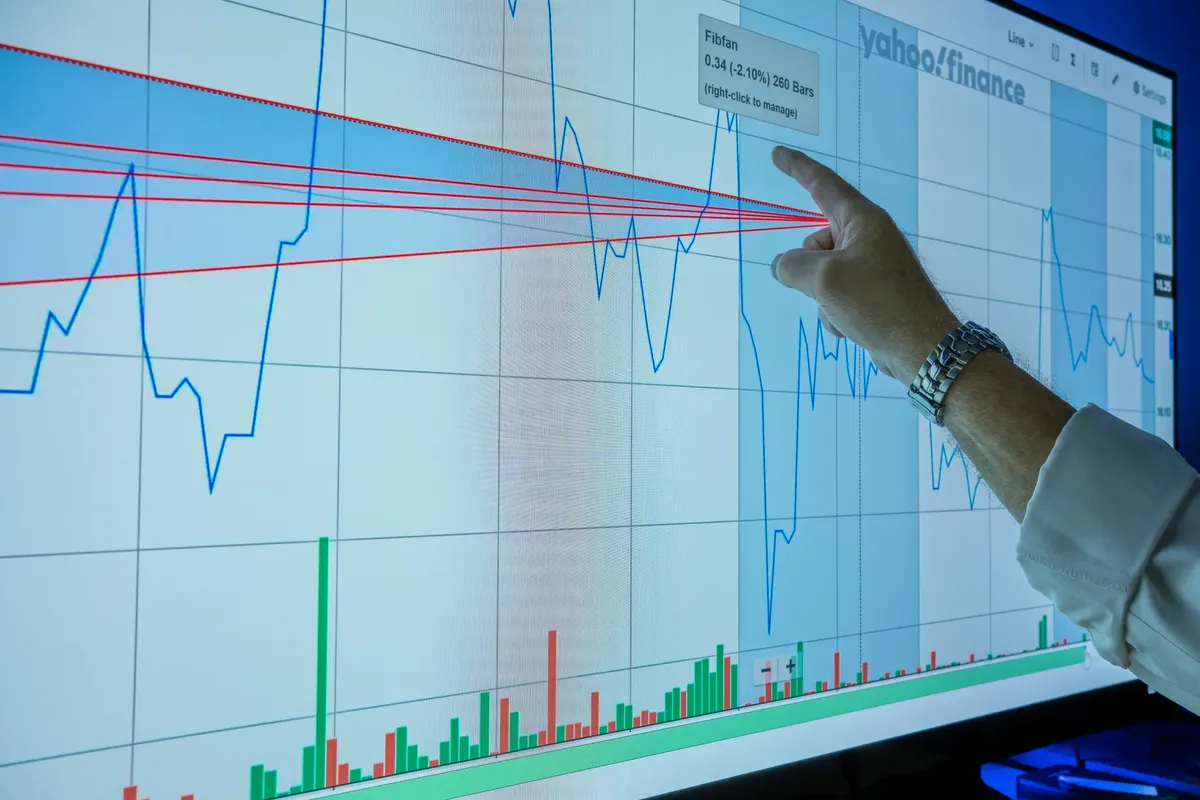
The sheer scale can lead to physical exhaustion and information overload.
According to Executive Board, the recorded figure is 9.
When I tried the steps in order, the second one is where I paused longest.
However, this does not apply in every situation.
| Item | Figure |
|---|---|
| 1 | 2026% |
| 2 | 14.3% |
You should identify your specific areas of interest to select the correct halls and download the official mobile application for scheduling. Wearing comfortable walking shoes and arranging transportation in advance are also essential for managing the physical demands of the venue.
Related



Comments 0