How does the Smart Building Tech Expo influence design?
"The future of building lies in the intersection of sustainable design and intelligent automation."
The 2026 International Engineering Construction Expo and the 2026 Green & Low-Carbon Expo represent the latest shift toward smart, green construction. These events highlight how automated systems and sustainable materials are reshaping the industry.

Professionals can expect to explore advanced engineering solutions, energy-efficient frameworks, and the growing role of AI-driven manufacturing.
What makes the 2026 Smart Construction Expo unique? A visitor walks through the massive halls of the National Exhibition and Convention Center in Tianjin, observing how digital twins and automated machinery interact.
The intersection of environmental responsibility and technical precision defines the current landscape. These expos focus on merging low-carbon goals with high-tech engineering to create more efficient building life cycles.
This dual focus ensures that modern infrastructure meets both regulatory standards and ecological demands.
However, the scope of the event may be limited in cases where local regulatory constraints prevent the demonstration of certain automated technologies.
How is AI in Smart Construction evolving?
A technician adjusts a tablet interface, syncing a real-time data feed from a robotic arm to a central cloud system. AI in Smart Construction is moving from theoretical modeling to active site management and predictive maintenance.
This technological shift allows for more precise resource allocation and error reduction during complex builds. By integrating intelligence into the physical structure of a project, companies can optimize energy use and material durability.
The goal is to create self-regulating environments that adapt to human occupancy.
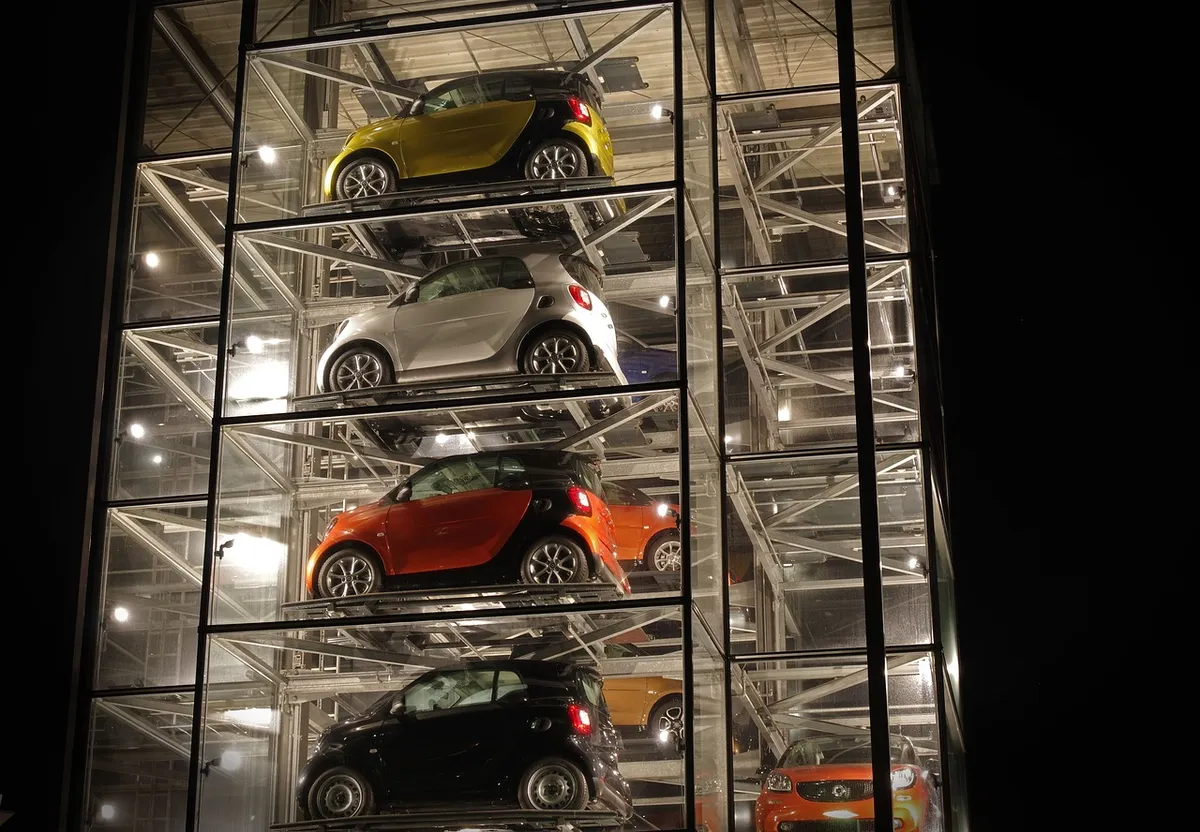
The evolution of these technologies is not applicable to manual labor tasks that require purely human tactile intuition.
What are the top AI construction trends for 2026? An engineer reviews a 3D holographic projection of a skyscraper, checking for structural integrity against simulated wind loads. The industry is increasingly adopting AI-driven design tools that can simulate thousands of variables instantly.
Current trends emphasize the use of generative design to maximize structural strength while minimizing material waste. Automation in manufacturing and assembly is also becoming a cornerstone of large-scale projects.
This represents a move toward a more predictable and repeatable construction process.
In this overview, the second trend is the most comprehensive.
How does the Smart Building Tech Expo influence design?
A designer examines a digital blueprint that updates automatically as new environmental data is fed into the system. The Smart Building Tech Expo reflects the industry's transition toward fully integrated, data-driven architectural ecosystems.
Designers are no longer just creating static structures but are instead building living systems. These systems use sensors and AI to manage lighting, heating, and ventilation with surgical precision. This approach reduces the carbon footprint of buildings while enhancing occupant comfort.
The influence on design is limited when architectural visions conflict with the physical requirements of integrated hardware.
What characterizes the AI Driven Construction movement?
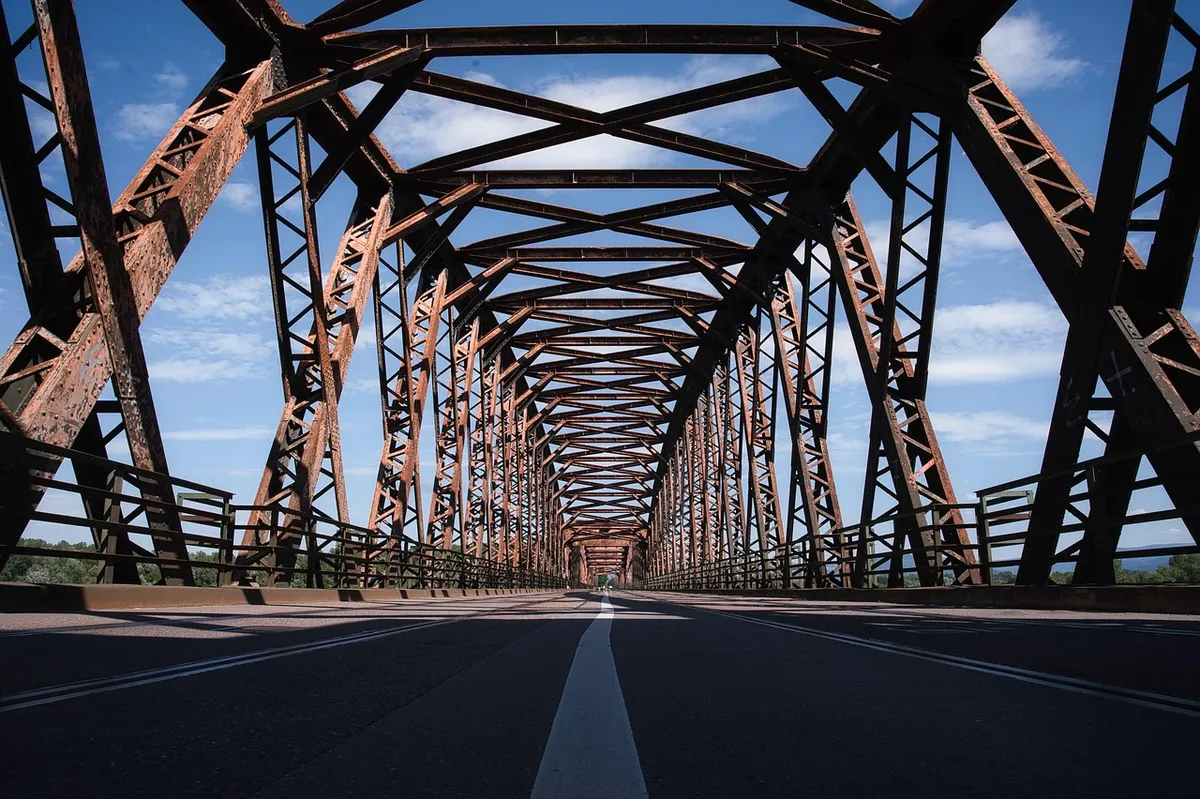
A heavy-duty autonomous vehicle moves precisely through a construction site, guided by high-resolution satellite imagery and local sensors. AI Driven Construction focuses on the seamless integration of robotics and intelligent software into the physical labor of building.
By automating repetitive or dangerous tasks, the industry can increase safety and speed without compromising quality. These technologies rely on heavy data processing to manage logistics, equipment, and personnel in real-time. The result is a more streamlined workflow from foundation to finishing.
This movement does not apply to traditional construction methods that lack digital integration.
Looking toward the future of AI Construction Expo Guide
A group of industry experts gathers around a demonstration of a modular building component, discussing its smart connectivity features. An AI Construction Expo Guide helps professionals navigate the overwhelming variety of new technologies emerging in the field.
Understanding these tools requires a grasp of how software interacts with hardware on a job site. Professionals must stay informed about how automated systems communicate to prevent project delays and resource conflicts.
Mastery of these digital tools is becoming as essential as traditional engineering knowledge.
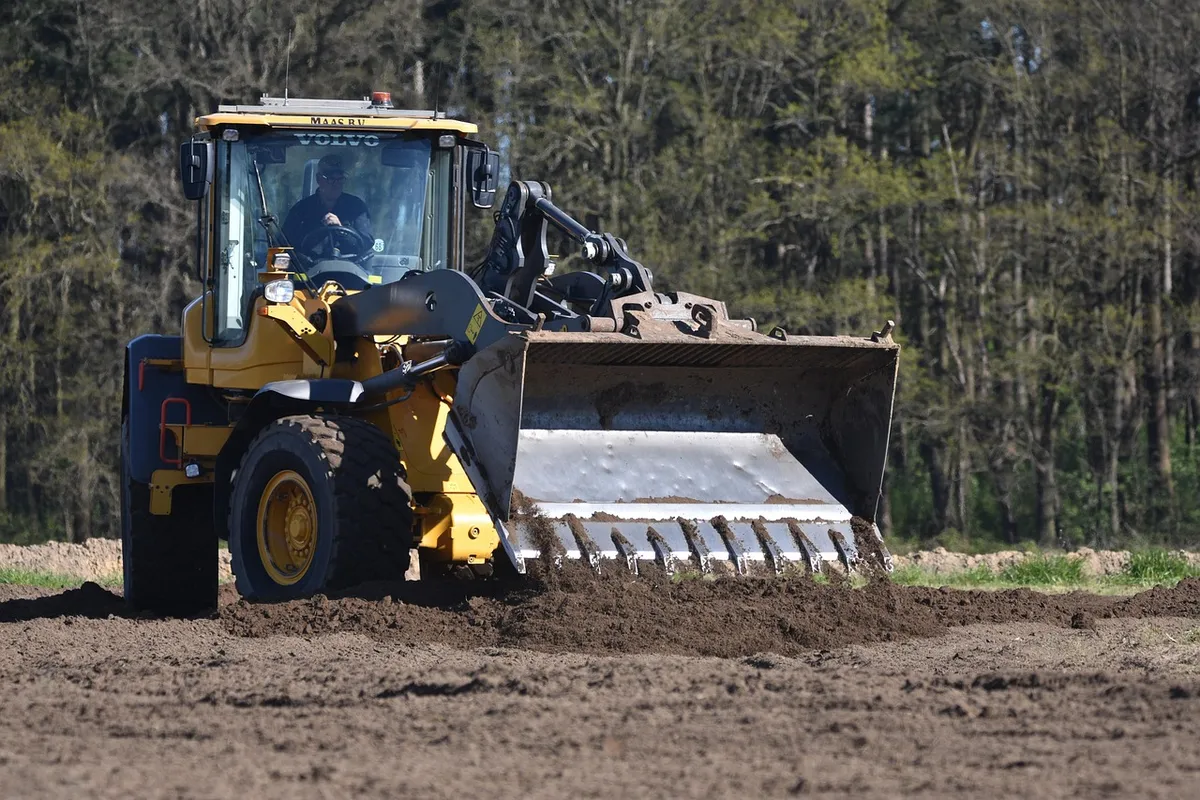
The effectiveness of these future strategies is limited when there is a significant gap in digital literacy among the workforce.
Comparison of Industry Focus
| Focus Area | Primary Objective |
|---|---|
| Green & Low-Carbon | Ecological sustainability and energy efficiency |
| International Engineering | Advanced structural and technological integration |
I observed how these distinct yet overlapping themes create a comprehensive view of the modern building landscape during my research into these recent industry events.
- What defines the 2026 Smart Construction Expo?
- How is AI in Smart Construction evolving?
- What are the leading AI Construction Trends 2026?
The subject here is 2026 Smart Construction Expo.
The same subject is also called Future Construction Tech.
This part also covers Next Gen AI Building Tech.
Related
- How does next gen production tech impact global output?
- What are the implications of Hydrogen Storage Advancements?
How does the future of building integrate these concepts?
The future of building relies on the synergy between sustainable design and intelligent automation, as demonstrated at the expos. This integration moves beyond simple compliance to achieve optimized, long-term performance for the structure.
The constant feedback loop between sensors and control systems allows the building to actively manage its own environmental inputs and outputs.
This combined approach addresses the need for structures that are not merely constructed but are dynamically managed throughout their operational lifespan.
The goal is a symbiotic relationship where the building contributes positively to its operational environment while minimizing its initial environmental impact.
For the future of building, the successful merging of these fields dictates operational viability. A structure achieves its highest value when its physical form is inextricably linked to its digital management layer, allowing for predictive responses rather than reactive maintenance.
China State Construction Engineering : CSCEC showcases smart, green construction at 2026 expos in Tianjin Based on the retained excerpt mentioning National Exhibition and Convention Center: Recently, the 2026 Green & Low-Carbon Expo and the 2026 International Engineering Construction Expo opened at the National Exhibition and Convention Center (Tianjin).





Comments 0