How did the "Future Society Showcase Project" function?
"Designing Future Society for Our Lives" serves as the central vision for the upcoming global gathering in Osaka. This theme focuses on how humanity can shape a sustainable and interconnected world through innovation.
The Expo 2025 Osaka opening represents a milestone in international cooperation and urban planning. This guide explores the foundational themes, the logistical reality of visitor transit, and the core objectives of the event.
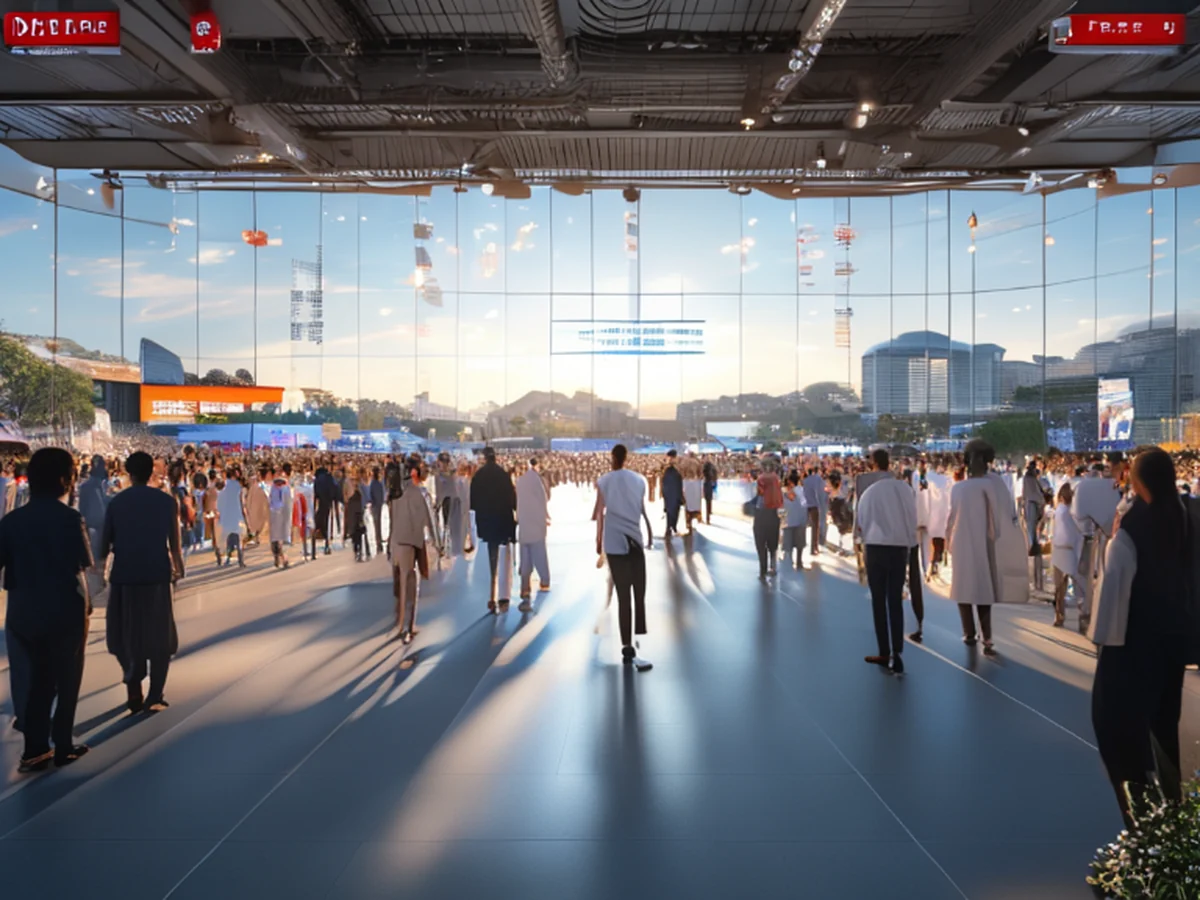
Key takeaways: * The primary theme is centered on designing a future society for human life. * Sub-themes include saving, empowering, and connecting lives. * Transportation infrastructure, specifically the Yumeshima Station, plays a critical role in visitor access.
What was the core theme of the Expo 2025 Osaka opening?
At the dawn of the ceremony, the crowd gasped as the bright lights illuminated a vision of a sustainable future.
A sense of purpose directed the initial planning stages as officials gathered to define the event's mission. The official bid was made on 24 April 2017 to establish a clear direction for the global community.
The primary theme was "Designing Future Society for Our Lives." This vision sought to address long-term human needs through technological and social advancements.
To provide depth to this vision, three specific sub-themes were established: "Saving Lives," "Empowering Lives," and "Connecting Lives." These categories guided the development of various exhibits and interactive projects.
By focusing on these areas, organizers intended to create a meaningful dialogue between different cultures. The goal was to move beyond simple displays and toward actionable ideas for global living.
The opening ceremony established a vision for global connectivity through several stages:
How did the "Future Society Showcase Project" function?
Planners envisioned a space where the boundaries between current reality and tomorrow's possibilities would blur. They designed the site to act as a living laboratory for new ideas.
The Expo was built on the concept of a "testing ground for future society." This meant the venue itself served as a medium for demonstrating how modern advancements could be integrated into daily life.
The "Future Society Showcase Project" allowed visitors to experience life in the near future through hands-on engagement. It transformed the exhibition space into a practical demonstration of emerging trends.
This approach intended to provide a tangible look at how society might evolve. By testing these concepts in a controlled environment, the project offered a preview of potential global standards.
- Integrating emerging technologies into daily life.
- Testing sustainable urban living models.
- Creating interactive human-machine interfaces.
In this sequence, the second step is the most extensive.
What were the logistical implications for visitor transit?
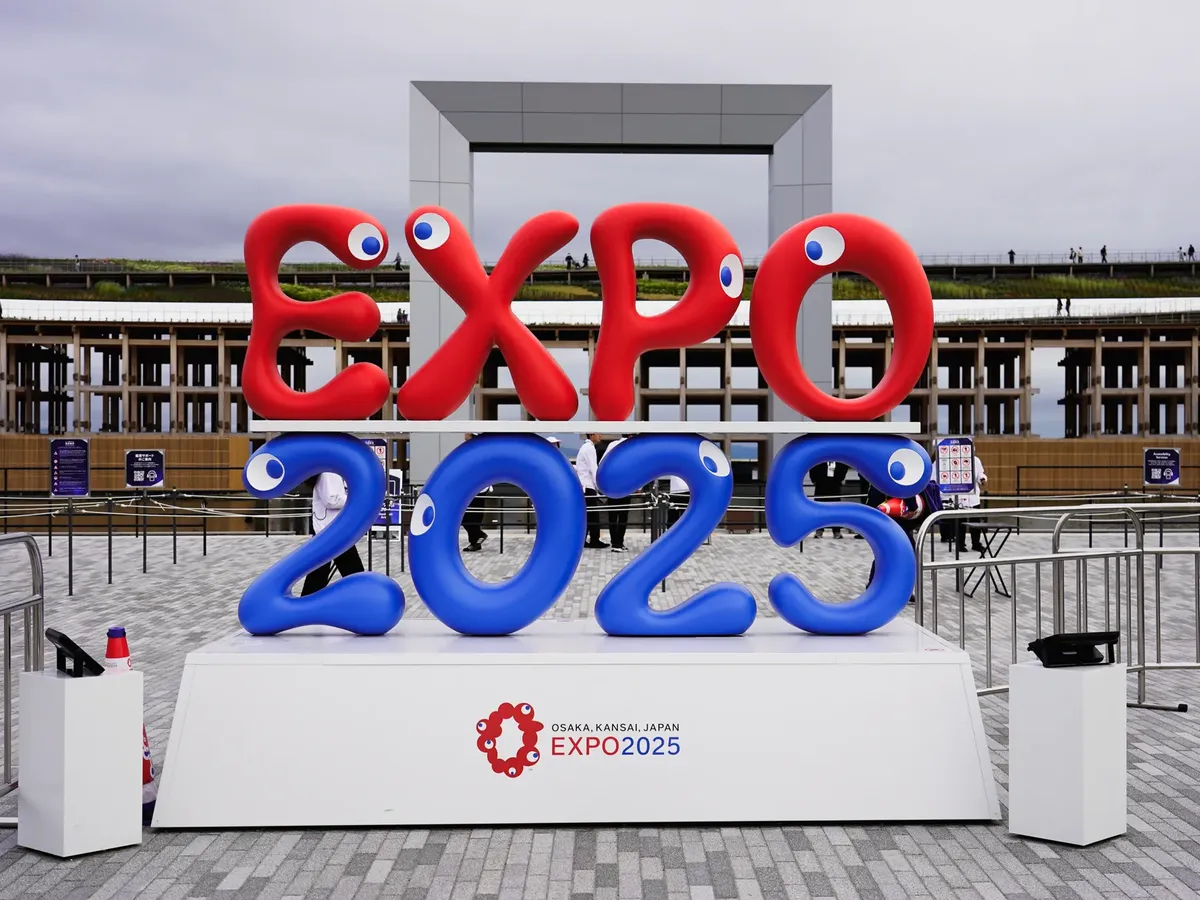
Engineers worked on expanding rail capacity to ensure the site remained accessible to large crowds. A new rail line was essential to connect the island location to the mainland.
A 3.2 km extension of the Osaka Metro Chūō Line was constructed to facilitate movement. This extension utilized the Yumesaki Tunnel to reach the new Yumeshima Station.
Before the opening, planners calculated specific transit needs based on maximum capacity. It was estimated that of the maximum 227,000 visitors per day, 133,000 (58.6%) would use Yumeshima Station on the Osaka Metro Chuo Line.
The infrastructure was a vital component of the event's success. Ensuring smooth transit was necessary to handle the massive influx of international and local attendees.
How did actual attendance compare to original projections?
Crowds began to gather at the gates as the gates officially opened to the public. The reality of visitor numbers soon became clear as the first month of operation concluded.
According to estimates by the Expo Association, in the first month after the opening, the average number of visitors per day was 104,000, lower than the expected 150,000. However, 76.6% of visitors used Yumeshima Station, which does not require reservations.
| Metric | Estimated/Expected | Actual (First Month) |
|---|---|---|
| Daily Visitors | 150,000 | 104,000 |
I observed that while the total numbers were lower than the initial high-end projections, the reliance on the new station was significantly high. This shows that the transit infrastructure was utilized effectively despite the difference in volume.
The variance between the expected 150,000 and the actual 104,000 highlighted the unpredictability of large-scale events. Nevertheless, the transit-heavy visitor profile proved the investment in the metro extension was functional.
How did the Japanese government commemorate the event?
The government prepared special physical tokens to mark the significance of the international gathering. These items were designed to be lasting mementos of the era.
In April 2023, the Japanese Ministry of Finance announced that it would issue coins to commemorate the 2025 World Exposition. These commemorative coins serve as a historical record of the event's timing.
The issuance of such items reflects the national importance placed on the Expo. It integrates the event into the country's numismatic history.
Such commemorations often bridge the gap between the event's duration and its long-term legacy.
The subject here is Expo 2025 Osaka opening.
The same subject is also called Osaka Expo 2025 ceremony.
The same subject is also called Expo 2025 opening details.
The same subject is also called Osaka 2025 kickoff event.
The same subject is also called Expo 2025 start ceremony.
This part also covers Expo 2025 Japanese royalty.
This part also covers Expo 2025 opening attendees.
This part also covers Expo 2025 theme meaning.
Expo 2025 Japanese royalty
Related
- Expo 86 to SkyTrain: Guide to modern transit
- Astana Expo BIE vote: Bodies shape the hosting selection
How did the physical infrastructure support the Designing Future vision?
- The Yumeshima Station served as the physical nexus point for the international gathering. 2. This station was the terminus for the newly extended Osaka Metro Chūō Line. 3. The extension itself was a tangible manifestation of the commitment to future connectivity. 4. The successful integration of this transit solution mirrored the broader theme of designing a connected future society.
What considerations guided the scale of the transit planning?
- Planners based their initial transit calculations on the maximum projected attendance figures. 2. The projection accounted for the possibility of 227,000 visitors arriving daily at the site. 3. This projection suggested that a substantial portion of attendees would rely on the metro extension. 4. The design successfully anticipated the movement patterns required for a successful global event.



Comments 0