What can I expect from the aging process of my purchases?
"The complexity of a vintage often lies in the silent hours of aging and the precise temperature of its cellar."
The 2026 Daejeon International Wine Expo offers a deep dive into the science and artistry of viticulture for enthusiasts looking to refine their palates. This guide helps you navigate tasting temperatures, aging expectations, and production techniques to make informed choices during the event.
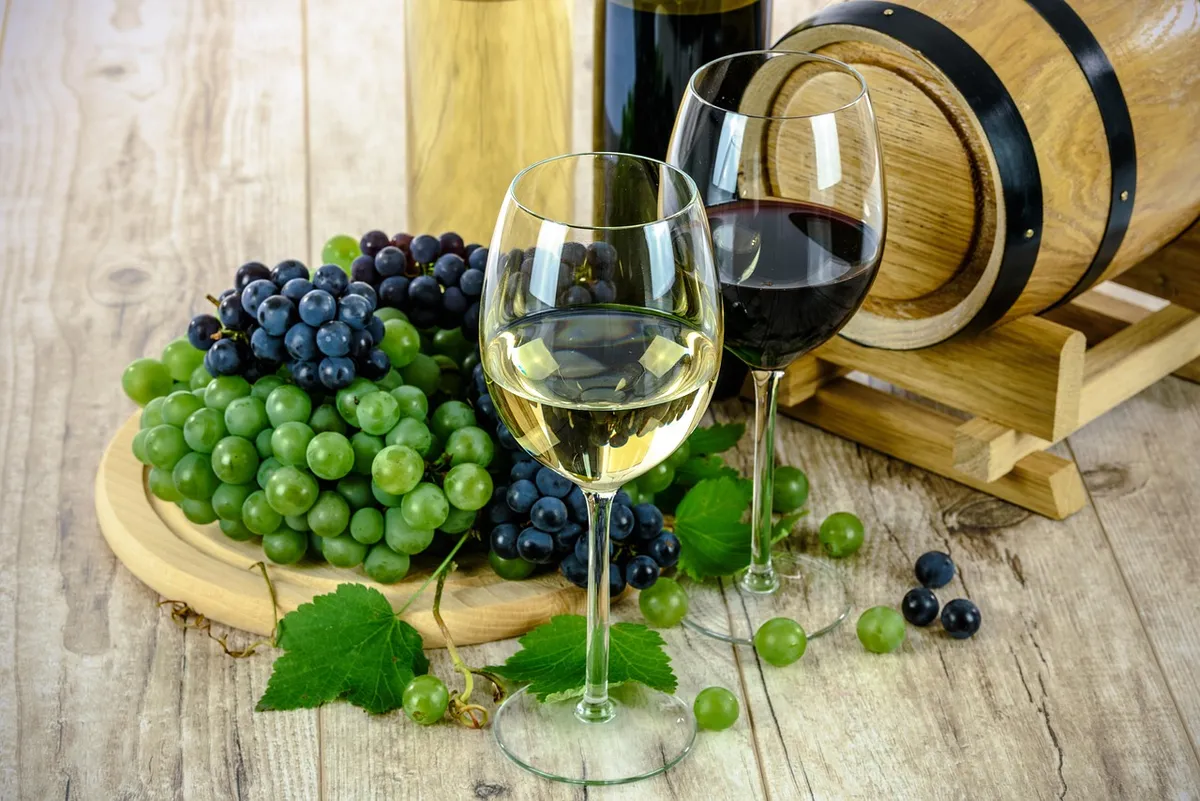
Key takeaways include understanding optimal serving temperatures, recognizing the reality of wine aging, and learning how pressing and skin contact influence flavor profiles.
How should I manage tasting temperatures for different wines?
A glass of red wine sits on a wooden table, catching the light as the room temperature shifts. Managing the temperature of your glass is essential to experiencing the true character of the liquid.
For red wines, the temperature is typically 22 to 25 °C, while white wines are best enjoyed at 15 to 18 °C. Maintaining these specific ranges ensures that the aromatic compounds are properly released without being masked by excessive heat or cold.
Using a thermometer or feeling the glass can help you adjust your experience in real-time.
What can I expect from the aging process of my purchases?
In the dim light of the cellar, I pull the dusty cork and expect a sudden burst of complex fruit.
A collector carefully places a bottle into a dark, cool corner of a cellar, marking the year on a small tag. While aging is a common topic of interest, the reality of flavor development is often more selective than enthusiasts might assume.
Only about 10% of all red and 5% of white wine will taste better after five years than they will after just one year. This means that the vast majority of bottles are intended for much earlier consumption.
When selecting wines at the expo, consider whether you want to drink them immediately or if you are part of that small percentage that benefits from long-term cellaring.
How does the production process affect the wine I taste?
A winemaker watches the press as it extracts the final drops of juice from the grape skins. Understanding the technical aspects of production helps clarify why different bottles possess varying levels of intensity and body.
In some circumstances, winemakers choose to crush white grapes for a short period of skin contact, usually for three to 24 hours. This technique allows for subtle flavor extraction that differs from standard pressing.
Additionally, most wineries do use presses in order to increase their production, as pressed juice can represent between 15%-30% of the total juice volume from the grape.
What role does yeast play in the alcohol content I encounter?
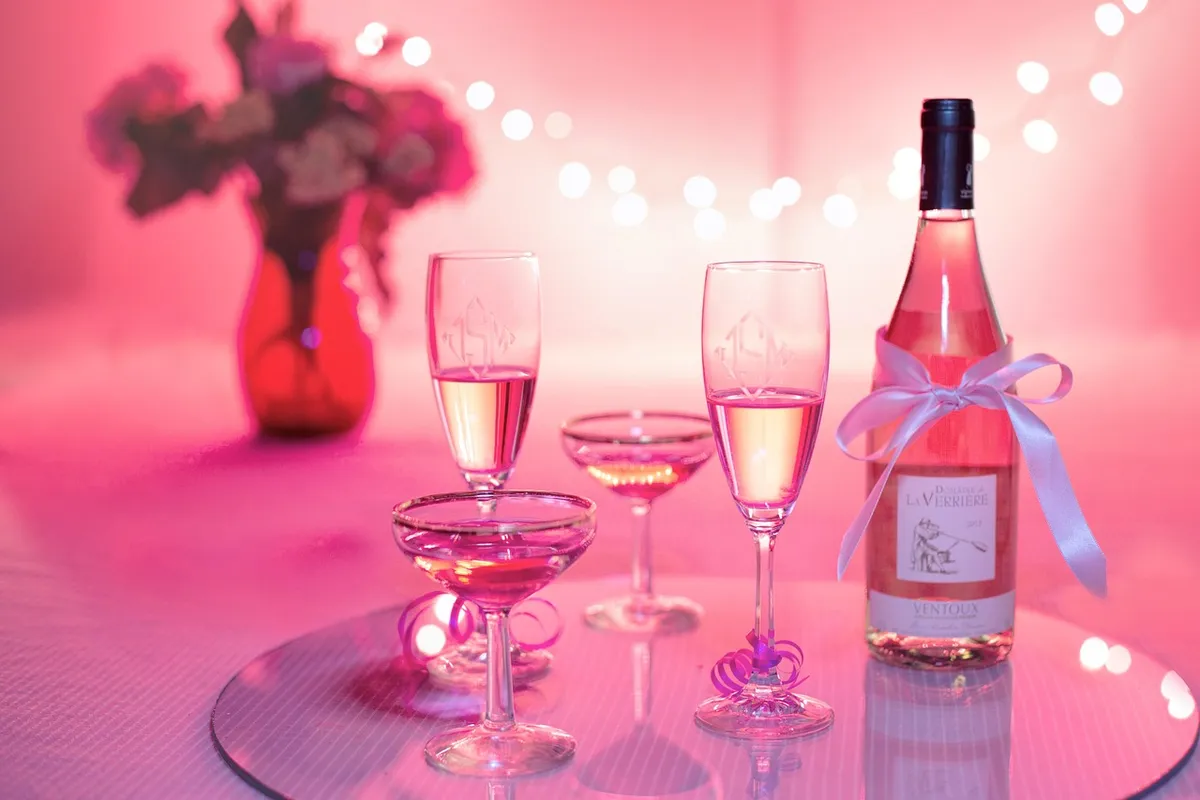
A scientist examines a fermentation vessel, noting the activity of microscopic organisms. The strength of a wine is often a direct result of the biological processes occurring during fermentation.
Alcohol of more than 12% can be achieved by using yeast that can withstand high alcohol. In some cases, some yeasts can produce 18% alcohol in the wine, however, extra sugar is added to produce a high alcohol content.
Being aware of these levels helps you manage your intake and understand the body of the wine you are sampling.
How do sediment and clarity work in bottled wines?
A sommelier gently tilts a bottle to inspect the clarity of the liquid against a white background. Traditional methods of clarification are still vital for achieving a clean, professional presentation in a glass.
Bottles often spend 6 months on a riddling rack before being disgorged to remove any sediment that has accrued. This process ensures that the final product is clear and free of unwanted particles.
Understanding these steps allows you to appreciate the labor involved in producing high-quality bottled wines.
How do I select the right wine for my specific needs?
A visitor walks through the tasting hall, comparing two different bottles of the same varietal. Selecting the perfect bottle requires balancing your immediate taste preferences with the technical reality of the wine's composition.
| Wine Type | Typical Serving Temperature |
|---|---|
| Red Wine | 22 to 25 °C |
| White Wine | 15 to 18 °C |
I found that checking the temperature of the glass first helped me decide which bottle to pick next.
- Check the serving temperature of the wine to ensure it matches the variety. 2. Evaluate the alcohol content to understand the weight and sweetness potential. 3. Consider the aging potential if you plan to store the bottle for future use.
A limitation of these guidelines is that individual palate sensitivity and specific grape varieties may require slight adjustments to these standard temperatures.
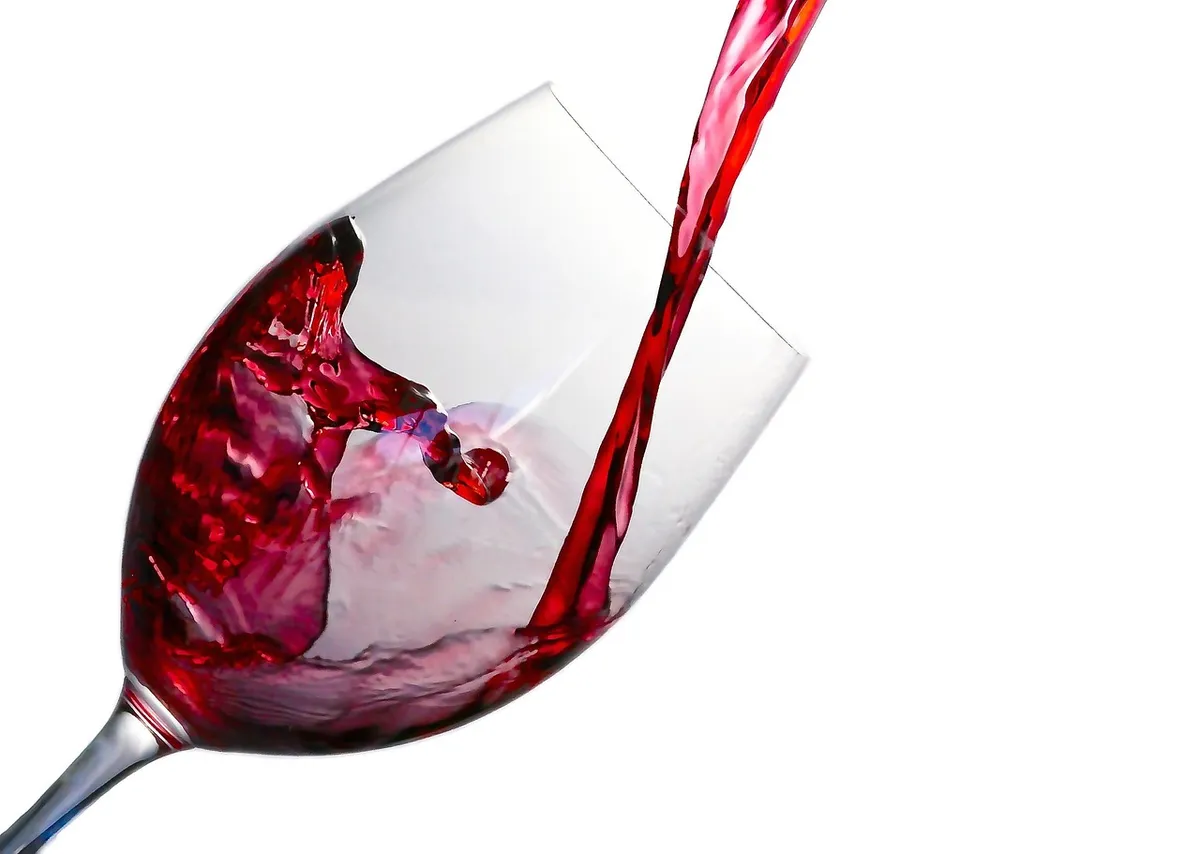
- How should I manage tasting temperatures for different wines?
- What can I expect from the aging process of my purchases?
- How does the production process affect the wine I taste?
2026 Wine Expo Attendee Review
The subject here is 2026 Wine Expo Attendee Review.
The same subject is also called Visit Wine Expo 2026 Tips.
The same subject is also called Actual Attendee Experience.
The same subject is also called International Wine Fair Visit.
The same subject is also called Trade Show Visitor Guide.
This part also covers Expo 2026 Visitor Feedback.
This part also covers Find Your Perfect Match.
This part also covers Event Schedule & Venue Info.
Expo 2026 Visitor Feedback
Related
- How can businesses prepare for an AI business upgrade?
- Industry show evolution: Tips from venue expansion history
How does the cellar environment affect the vintage?
The cellar environment influences the vintage by providing the stable conditions necessary for slow evolution. A controlled cellar setting contributes to the long-term development of the wine's inherent qualities. This controlled setting is crucial for the successful aging of many bottles.
What is the relationship between pressing and flavor complexity?
Pressing influences the flavor complexity because the extraction method dictates the components available to the wine. Gentle contact during crushing allows for a delicate infusion of varietal characteristics into the liquid.
[web] Guangzhou International Outdoor Expo 2026 - Expolume Based on the retained excerpt mentioning Guangzhou Poly World Trade Center: Complete profile Do it later Official Website Guangzhou International Outdoor Expo will take place from September 11 to 13, 2026 at Guangzhou Poly World Trade Center, presenting a premier platform for outdoor sports, adventure gear, and lifestyle innovation.




Comments 0