AI Manufacturing Expo 24: Smart Industry Guide
"The intersection of artificial intelligence and physical construction represents a fundamental shift in how we approach industrial development and infrastructure."
The 2026 Taiwan Expo USA will showcase how smart manufacturing and energy solutions drive the next era of technological integration. This event focuses on how AI-driven tools can transform industrial processes through specialized exhibition zones.
* The Taiwan Expo USA 2026 features eight thematic exhibition zones. * The event takes place at the Kay Bailey Hutchison Convention Center in Dallas. * Smart manufacturing and energy solutions are central themes.
What can I expect at the 2026 Taiwan Expo USA?
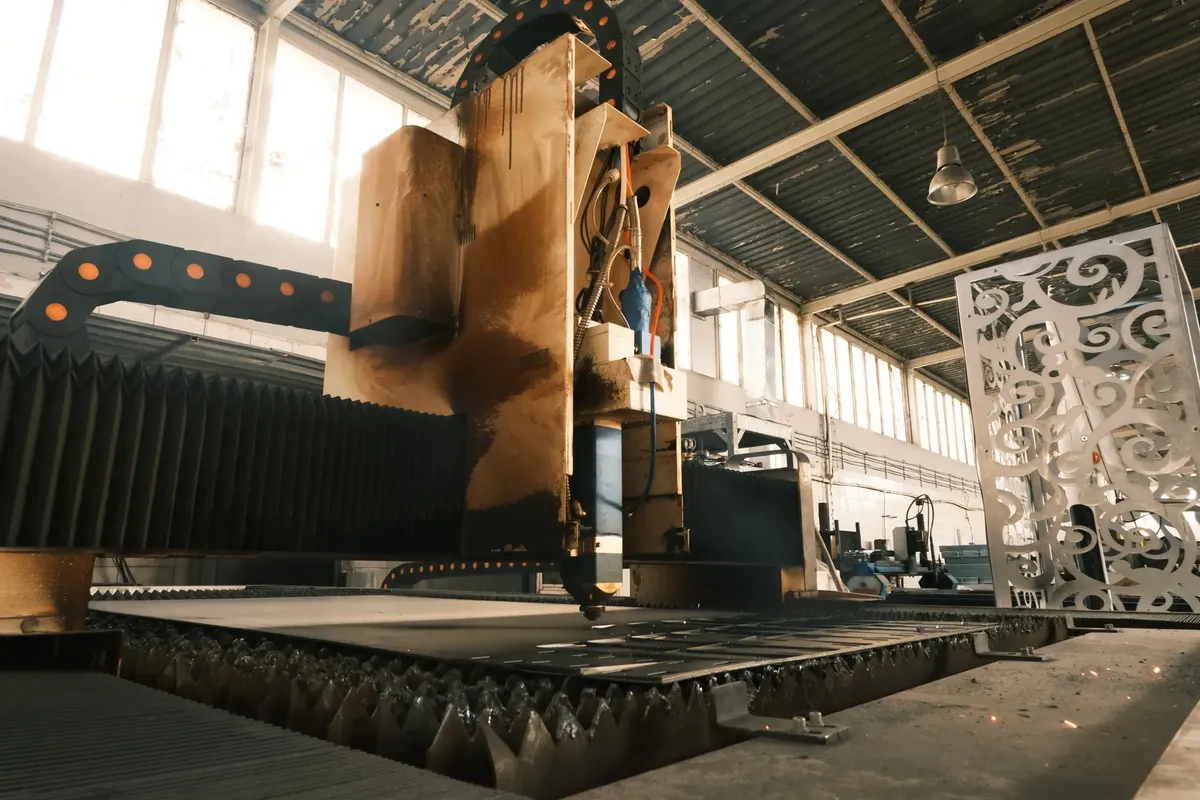
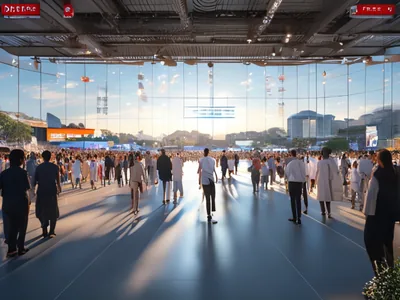
I walk through the crowded Dallas convention center as the hum of heavy machinery signals the future of smart manufacturing. As the bright lights of the Dallas convention center hum, attendees walk through the halls to witness the future of smart manufacturing.
Attendees walk through expansive halls where new technologies are displayed in real-time. The 2026 Taiwan Expo USA will take place from September 24–26 at the Kay Bailey Hutchison Convention Center in Dallas.
This gathering highlights how smart manufacturing and energy solutions empower the current era of intelligence.
According to PRNewswire, the event will feature eight thematic exhibition zones spanning various industrial sectors. These zones allow participants to witness the practical application of automation and intelligence in a controlled environment.
This scale makes the 2026 Taiwan Expo USA a significant touchpoint for global industry leaders.
The event serves as a premier platform for showcasing advanced industrial technologies, fostering international partnerships, and demonstrating the latest innovations in smart manufacturing and sustainable energy.
How does AI-driven manufacturing integrate with construction?
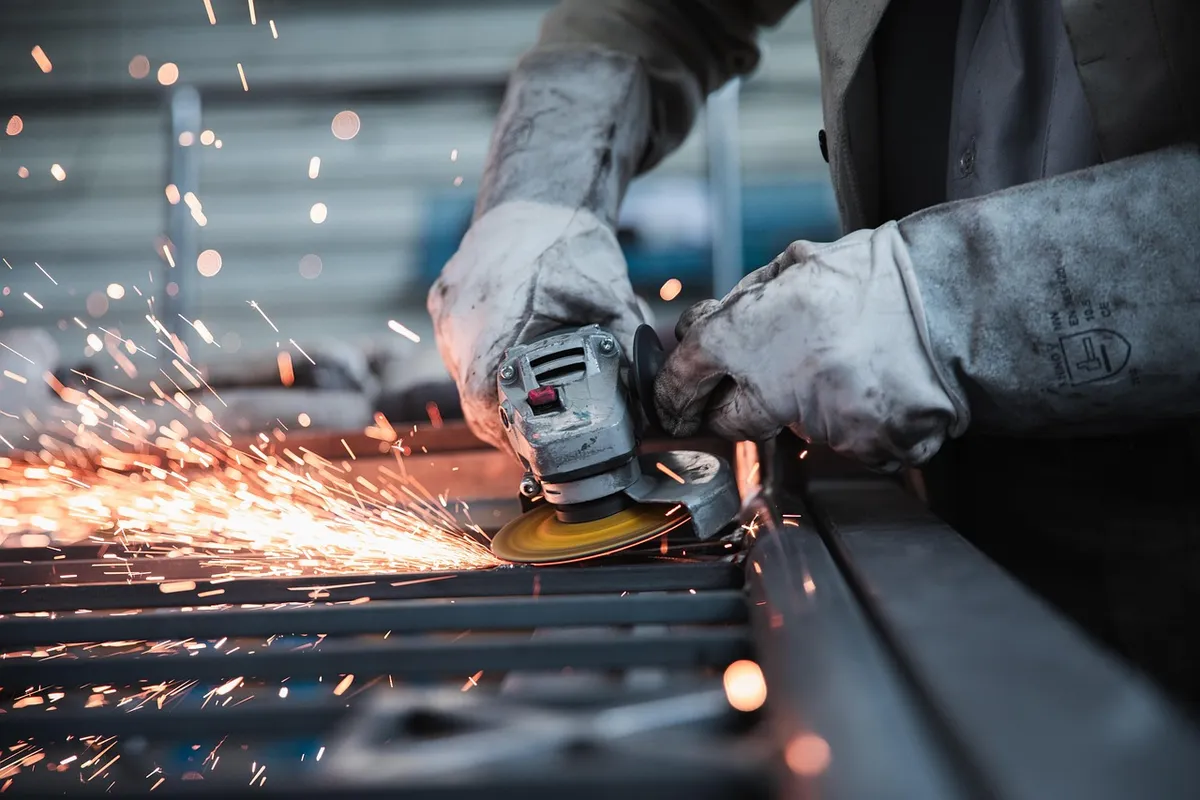
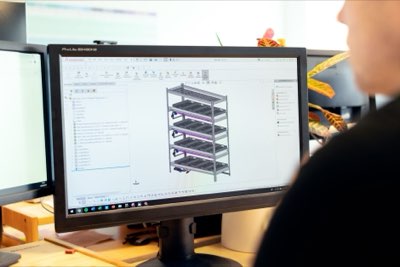
Engineers examine how digital intelligence can transition from a screen to a physical site. AI-driven construction technology focuses on the seamless link between automated production and on-site assembly. This synergy allows for more precise building processes and efficient resource management.
The integration of smart manufacturing and energy solutions provides the foundation for these advancements. By utilizing intelligent systems, industries can better manage the complex requirements of modern building projects.
The 2026 Taiwan Expo USA serves as a platform to demonstrate these integrated capabilities.
AI-driven manufacturing optimizes the production of modular components, allowing for precise, automated fabrication that streamlines onsite assembly and reduces material waste during the building process.
How will energy solutions impact smart manufacturing? A technician monitors the energy consumption of a high-tech production line. Efficiency is no longer just about speed; it is about the intelligent management of power across entire systems. Energy solutions are now being designed to work in tandem with AI to optimize output.
Smart manufacturing and energy solutions are dual pillars of the upcoming technological era. When these two fields merge, the result is a more sustainable and responsive industrial environment. This intersection is a primary focus for those looking to understand the future of industrial tech.
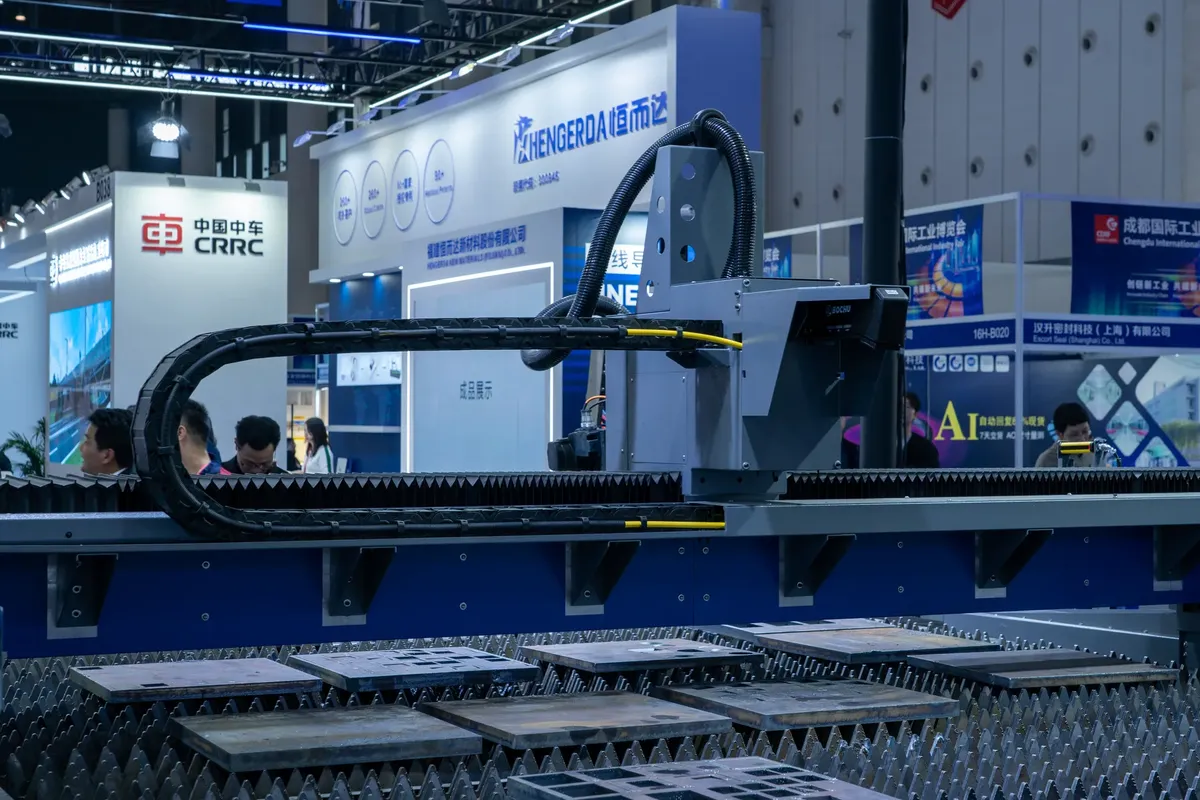
Energy solutions provide the necessary power management and storage capabilities to sustain high-tech production lines, ensuring operational stability and minimizing the carbon footprint of industrial facilities.
How can businesses prepare for these technological shifts?
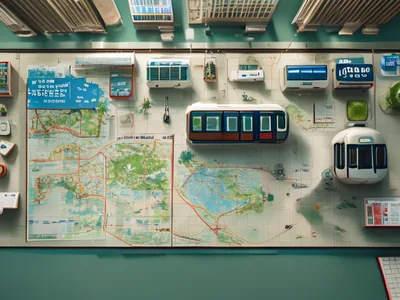
A manager reviews a strategic plan to adopt new automated systems. Preparing for the shift toward AI-driven industry requires a focus on both hardware and digital infrastructure. Organizations must understand how to implement these tools within existing workflows.
- Analyze current manufacturing workflows to identify automation potential. 2. Evaluate energy efficiency requirements to support new smart technologies. 3. Study the integration of AI-driven tools through specialized exhibition zones.
A final check ensures that all technological investments align with long-term operational goals. I found that reviewing the specific capabilities of these zones helps in planning for future equipment upgrades.
- Evaluate current digital infrastructure to identify compatibility with emerging AI systems.
- Invest in workforce upskilling to manage automated processes and data-driven workflows.
- Implement scalable hardware solutions that can adapt to rapid technological advancements.
What are the limitations of these emerging technologies?
A researcher notes that while technology is advancing, physical constraints still exist. Even the most advanced AI-driven tools must operate within the realities of material science and site-specific logistics.
The transition from theoretical capability to site-wide application remains a complex challenge.
The primary limitation involves the varying levels of infrastructure readiness across different global regions. While the eight thematic exhibition zones show what is possible, real-world implementation depends heavily on local power grids and connectivity.
This gap between innovation and application is a key consideration for global leaders.
Limitations include high initial implementation costs, the requirement for specialized technical expertise, and the complexity of integrating legacy hardware with modern software ecosystems.
Related
How does the physical manifestation of the artificial intelligence matter?
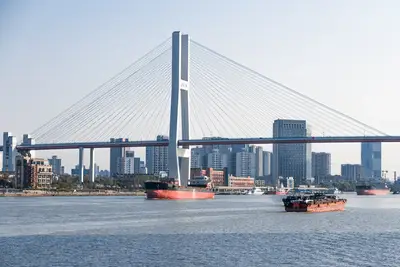
The physical construction aspect demonstrates the tangible outcome of the artificial intelligence concepts. The synergy between digital intelligence and physical site assembly is crucial for successful deployment.
This link allows the abstract concepts of AI to manifest in a real-world, buildable object.
The intersection of artificial intelligence and physical construction is where theory meets reality. The exhibition showcases how digital planning translates into tangible, functional structures.
This physical realization validates the efficacy of the advanced computational models used in the design phase.
The physical manifestation, such as robotics and IoT-enabled hardware, bridges the gap between digital intelligence and tangible output, enabling AI to perform precise physical tasks in real-world environments.
What is the relationship between energy and manufacturing processes?
Energy solutions are intrinsically linked to the efficiency of the manufacturing processes. The intelligent management of power directly influences the speed and sustainability of production lines. This symbiotic relationship is vital for modern industrial viability.
Smart manufacturing relies on optimized energy usage to achieve high throughput. The energy solutions demonstrated are designed not just to power the machinery but also to contribute to the overall efficiency goals of the production cycle.
This thoughtful pairing drives down operational costs while maintaining high output quality.




Comments 0