Expo bid management: BIE role in expo bidding
The competition for hosting global exhibitions often involves complex negotiations between host cities and international bodies to ensure long-term success.
The role of international organizations in the expo bidding process involves establishing cooperation frameworks, managing participation, and overseeing site development to ensure global standards are met.
This guide explores how these entities manage large-scale events, the importance of intergovernmental cooperation, and the lasting impact of venue redevelopment.
How do international organizations influence the BIE role in expo bidding?
At dawn in the silent boardroom, the diplomat gripped a cold fountain pen while studying how the BIE role in expo bidding would shape the future.
A delegation sits in a quiet conference room, reviewing the technical requirements for a future site. The paperwork outlines how the BIE role in expo bidding dictates the standards for host cities.
International organizations often establish formal agreements to align global interests with local hosting capabilities. For instance, the Astana Expo 2017 and the World Tourism Organization signed a memorandum of cooperation.
This partnership ensured that the event aligned with broader global tourism and developmental goals.
Such agreements serve as a roadmap for organizers. They help bridge the gap between local infrastructure and international expectations. By setting these parameters, organizations provide a structured environment for competitive bidding.
However, the influence of these organizations may be limited when local political stability contradicts international standards.
What does Expo bid management involve for national governments?
At midnight in the quiet office, the official rubbed tired eyes while studying the complex tasks of expo bid management.
An official walks through a newly established government office, organizing documents for an upcoming international exhibition. This process of Expo bid management requires dedicated administrative units to oversee national interests.

Governments often create specialized departments to handle the logistical and diplomatic complexities of hosting. In 2017, the Department’s Expo Unit in the Office of the Under Secretary for Public Diplomacy and Public Affairs, Office of Policy, Planning, and Resources, was created to manage U.S.
participation.
Effective management ensures that national pavilions meet international requirements. It also allows for better coordination between domestic policy and global engagement. This administrative structure is vital for maintaining consistent diplomatic presence during the event.
- Formulating a strategic vision for the bid.
- Coordinating between various government departments.
- Securing necessary financial commitments.
How does an Intl body expo selection impact local infrastructure?
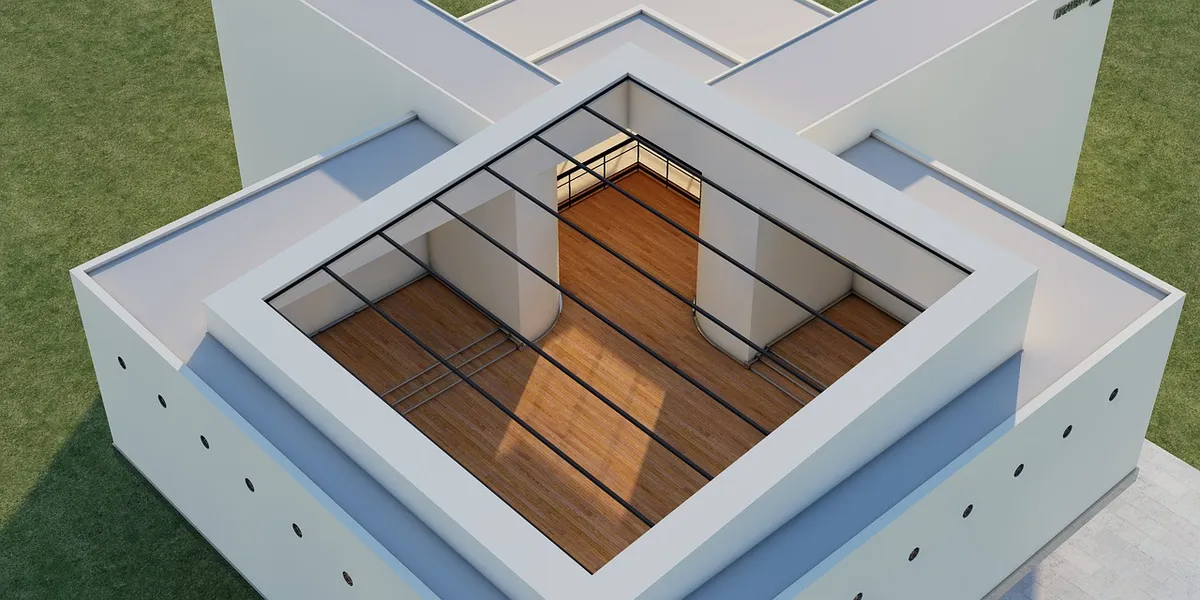
A city planner examines a map of an empty park that will soon be transformed into a bustling exhibition ground. An Intl body expo selection can lead to significant urban changes and the creation of permanent landmarks.
The selection of a host city often triggers large-scale redevelopment projects. For example, the site of World Expo Park was re-developed into the Brisbane Convention & Exhibition Centre. This transformation turns temporary event spaces into permanent economic assets.
These changes provide lasting benefits to the local community long after the expo concludes. By converting exhibition grounds into convention centers, cities secure a legacy of commercial utility. This helps justify the initial investment required during the bidding phase.
The impact on infrastructure may be less significant if the selected site is located far from existing urban centers.
What is the significance of a Global fair hosting role for intergovernmental agencies?
A representative from an intergovernmental agency reviews a list of confirmed participants for a worldwide gathering. A Global fair hosting role allows intergovernmental agencies to participate directly in the thematic focus of the event.
During major exhibitions, specialized agencies often join to share expertise and global data. In the case of Expo 2017, the International Renewable Energy Agency (IRENA), an intergovernmental organization headquartered in Abu Dhabi, confirmed its participation.
This involvement brings specialized knowledge to the global stage. It allows for the integration of technical expertise into the exhibition's core mission. Such participation reinforces the role of international bodies in driving global dialogue.
I find that the third point regarding intergovernmental cooperation is the most critical.
How can City competition support be facilitated through specialized exhibitions?
A merchant organizes gear in a large hall, preparing for a surge of visitors at a trade fair. City competition support often manifests through specialized industry expos that attract international visitors to specific regions.

Localized industry events can serve as stepping stones for larger global bids. For example, the Guangzhou International Outdoor Expo will take place from September 11 to 13, 2026, at the Guangzhou Poly World Trade Center.
This event provides a premier platform for outdoor sports, adventure gear, and lifestyle innovation.
These specialized events build local expertise and attract global trade. They foster an environment where industry leaders can meet and innovate. This strengthens a city's reputation as a hub for specific sectors.
The effectiveness of these exhibitions is limited when there is a lack of alignment between city branding and the exhibition's theme.
Related
- Shanghai Expo site planning: How venues found new use
- How did the "Future Society Showcase Project" function?
How does the competition for hosting influence the long-term success of the event?
The competition for hosting establishes the initial parameters that dictate the event's ultimate success. The international bodies involved must manage the expectations set during the bidding phase against the reality of the eventual execution.
This careful balancing act between aspiration and logistical reality is crucial for a successful outcome.
The initial competition sets the standard against which the host city must perform. If the infrastructure improvements are not sound, the subsequent global attention may reveal weaknesses. Therefore, the initial rigorous negotiation phase directly affects the sustained viability of the exhibition.
What conditions ensure the viability of the competition for hosting?
Viability arises when the host city successfully integrates international body requirements with local execution capabilities. The cooperation frameworks established early on provide the necessary blueprint for success. This alignment prevents the event from becoming merely a transient display.
The successful management of the competition relies on sustained commitment from all parties. Local authorities must commit to the necessary infrastructure upgrades required by the international bodies. This commitment sustains the high level of quality expected by global participants.
The long-term benefits might not materialize if the competition focuses solely on short-term visibility rather than sustainable development.
Wikipedia: Expo 2017 Based on the retained excerpt mentioning International Renewable Energy Agency: International organizations that confirmed their participation in Expo 2017 also include the International Renewable Energy Agency (IRENA), an intergovernmental organization headquartered in Abu Dhabi.



Comments 0