Shanghai Expo site planning: How venues found new use
"The scale of urban transformation is often measured by the footprint of the structures left behind after the crowds depart."
The 2010 Shanghai Expo involved massive spatial planning and urban renewal to accommodate global visitors. This large-scale project utilized specific venues like the Expo Cultural Center for its opening ceremony and transitioned into permanent museum and exhibition spaces.
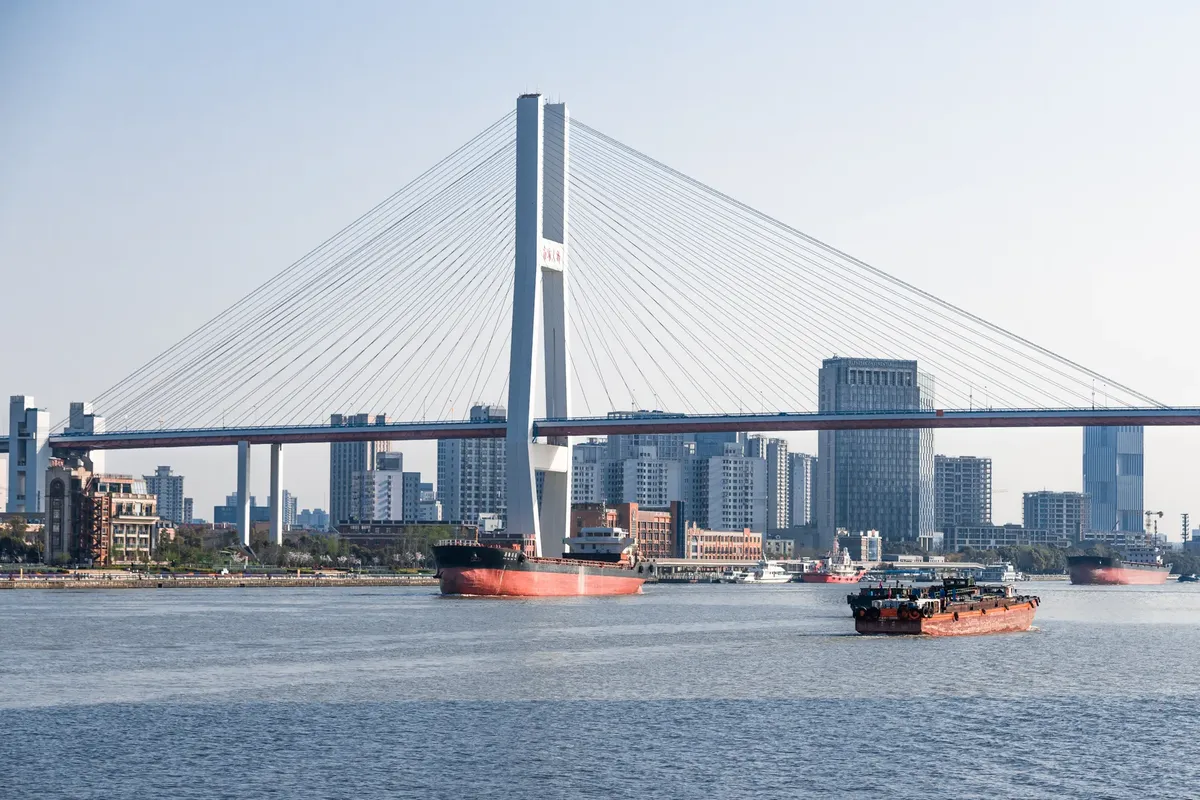
Key takeaways include the transformation of event sites into lasting cultural landmarks, the integration of transit-connected exhibition centers, and the management of expansive exhibition area development.
How did the opening ceremony venue influence the site?
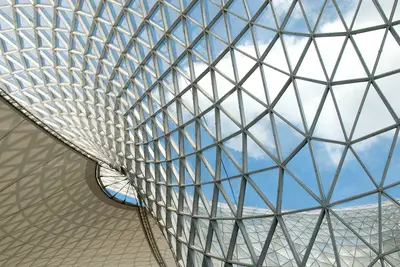
A bright spotlight hits the stage of the arena during a major celebration. The arena is known for hosting the opening ceremony for the Expo 2010, during which it was known as the Expo Cultural Center.
This venue served as a central hub for the initial festivities, marking the beginning of a massive urban shift.
The scale of the event required a venue capable of handling massive crowds and symbolic importance. This specific site helped establish the momentum for the broader Shanghai Expo site planning.
The grandeur of the ceremony established a permanent footprint that dictated the surrounding infrastructure.
Where did the exhibition space move to? Shanghai Expo site planning A traveler walks through the modern terminal of a bustling transit hub. Since 2015, the show is hosted at the National Center for Exhibition and Convention, located next to the Shanghai Hongqiao International Airport.
This shift shows how large-scale events move to more accessible, specialized locations.
The transition from the original expo grounds to permanent exhibition centers reflects a long-term urban renewal project scope. Large-scale venues often evolve from temporary event sites into permanent hubs for industry.
This movement ensures that the infrastructure remains useful for the city's economy long after the initial event concludes.
The primary exhibition halls moved to the newly developed district to accommodate larger crowds.
According to World Bank, the 2024 record includes 24.7%.
What happened to the original museum sites?
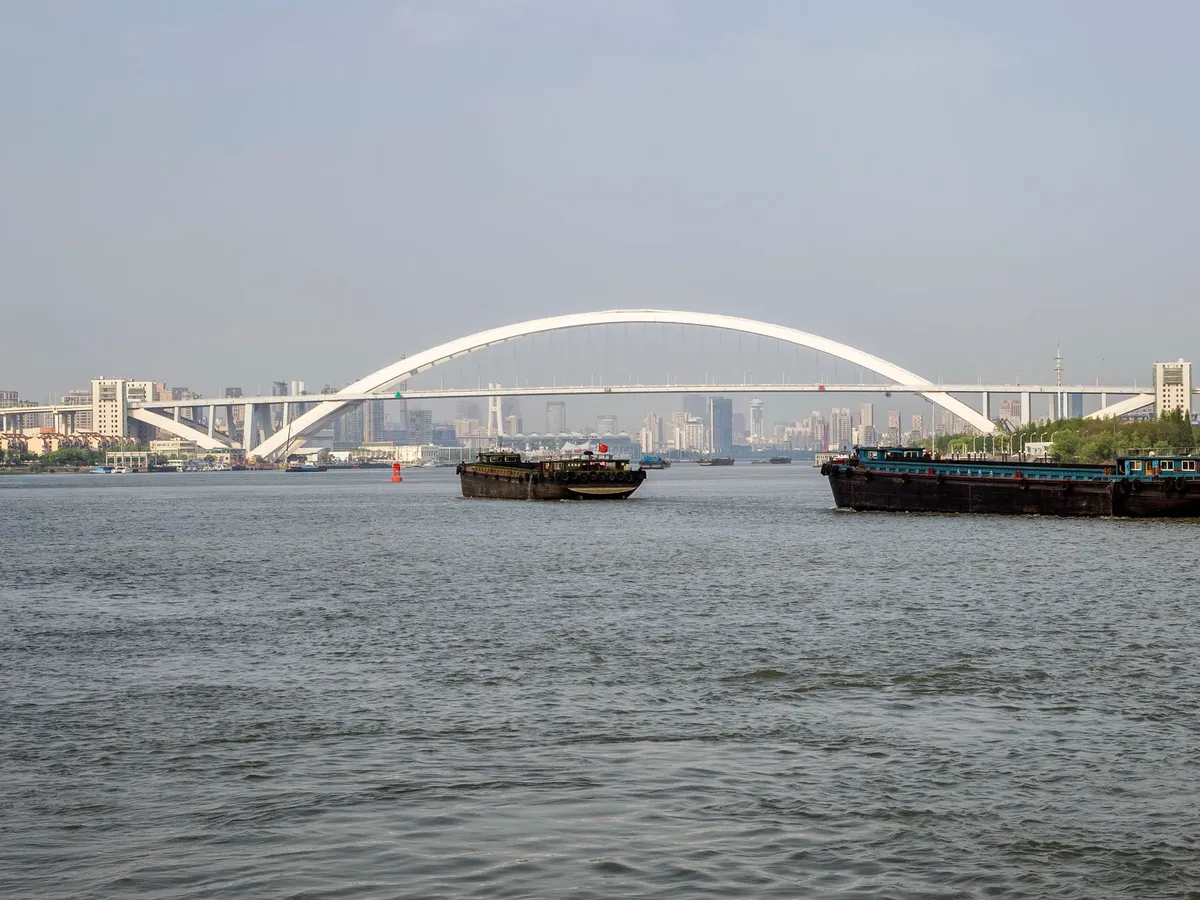
An explorer walks across a bridge to reach a quiet museum entrance. On September 18, 2014, Lupu Bridge was renamed the World Expo Museum. This change signifies the repurposing of infrastructure to preserve the legacy of the event.
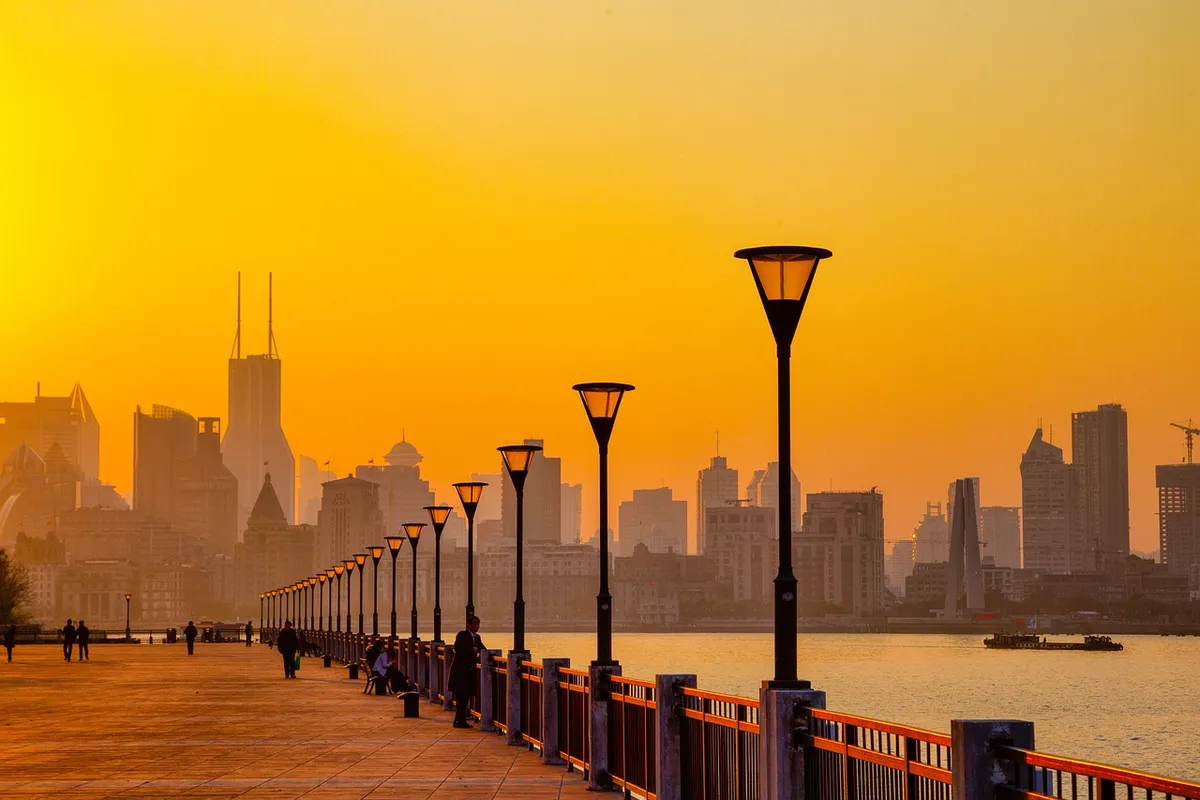
The transformation of the site into a museum helps maintain the history of the 2010 festivities. This type of riverfront development plan allows the city to turn industrial or transit-heavy areas into educational landmarks.
By repurposing these spaces, the city ensures that the scale of the original project continues to serve the public.
The original museum sites underwent extensive renovations to transition into community cultural hubs.
How do modern exhibitions utilize these spaces?
A crowd gathers around a digital display at a massive convention center. Visitors stand in front of video gamers during ChinaJoy, known as the China Digital Entertainment Expo and Conference, at the Shanghai New International Expo Centre in Shanghai on August 1, 2025.
These gatherings demonstrate the ongoing use of large-scale exhibition grounds.
The current use of these facilities highlights the success of the initial Expo grounds scale analysis. Large venues designed for a single event often become the backbone of the city's modern trade and entertainment industry.
This constant activity justifies the massive initial investment in urban infrastructure.
- Curators design modular layouts to fit various exhibit sizes. 2. Digital integration is used to enhance visitor engagement. 3. Lighting systems are adjusted to suit specific artistic mediums.
What are the practical steps for managing such large venues?
An administrator reviews a massive floor plan in a quiet office. Managing these sites requires a transition from event-based logistics to permanent facility management.
- Evaluate the current capacity of the venue to handle modern crowds. 2. Integrate the site with existing city transit networks to ensure accessibility. 3. Develop long-term programming to prevent the venue from becoming obsolete.
I remember looking at the original blueprints of the cultural center to understand how the layout would handle the sudden influx of people. This planning is essential to prevent bottlenecks in high-traffic areas.
One limitation is that the original design may not always account for the rapid technological changes required by modern exhibitions.
In this sequence, the second step is the longest.
World Bank Based on the retained excerpt mentioning World Bank: According to World Bank data, the world recorded high-technology share of manufactured exports of 24.7% in 2024.
- How did the opening ceremony venue influence the site?
- Where did the exhibition space relocate?
- What happened to the original museum sites?
The same subject is also called Huangpu River site use.
This part also covers Expo site area comparison.
This part also covers City renewal scale study.
Expo site area comparison
Related
How does the scale relate to the modern function?
The scale of the original Expo grounds dictated the subsequent need for permanent, high-capacity facilities. The initial success in accommodating the global audience established a precedent for sustained high-level usage.
This successful management of the initial influx informed the long-term operational needs of the resulting cultural institutions.
The integration of transit-connected exhibition centers demonstrates how the initial urban planning addressed future needs. The original site planning successfully anticipated the requirement for accessibility, linking the event to broader civic infrastructure.
This thoughtful approach ensured the continued relevance of the physical location beyond the event timeline.
The vast scale allows for a seamless blend of high-capacity foot traffic and specialized exhibition zones.
What conditions govern the transition of these large venues?
The transition from temporary event site to permanent cultural landmark depends on successful repurposing strategies. This repurposing allows the initial investment to yield ongoing civic benefits.
The management of expansive exhibition area development requires continuous programming to maintain its viability. The comparison between the initial event needs and the later museum use shows a successful adaptation of the physical shell.
This adaptation is crucial for sustaining the initial investment in the urban transformation.


Comments 0