How are green and smart technologies merging?
"Innovation is the bridge between current structural limitations and the future of built environments."
The 2026 Canada construction tech 2026 landscape is being shaped by rapid digital integration and sustainable engineering. This overview explores how emerging technologies drive efficiency, the role of high-tech manufacturing, and the intersection of green energy with building practices.
Key takeaways include the impact of high-tech export shares, the integration of smart systems, and the necessity of professional expertise in evolving industries.
How does digital connectivity impact Canada construction tech 2026?
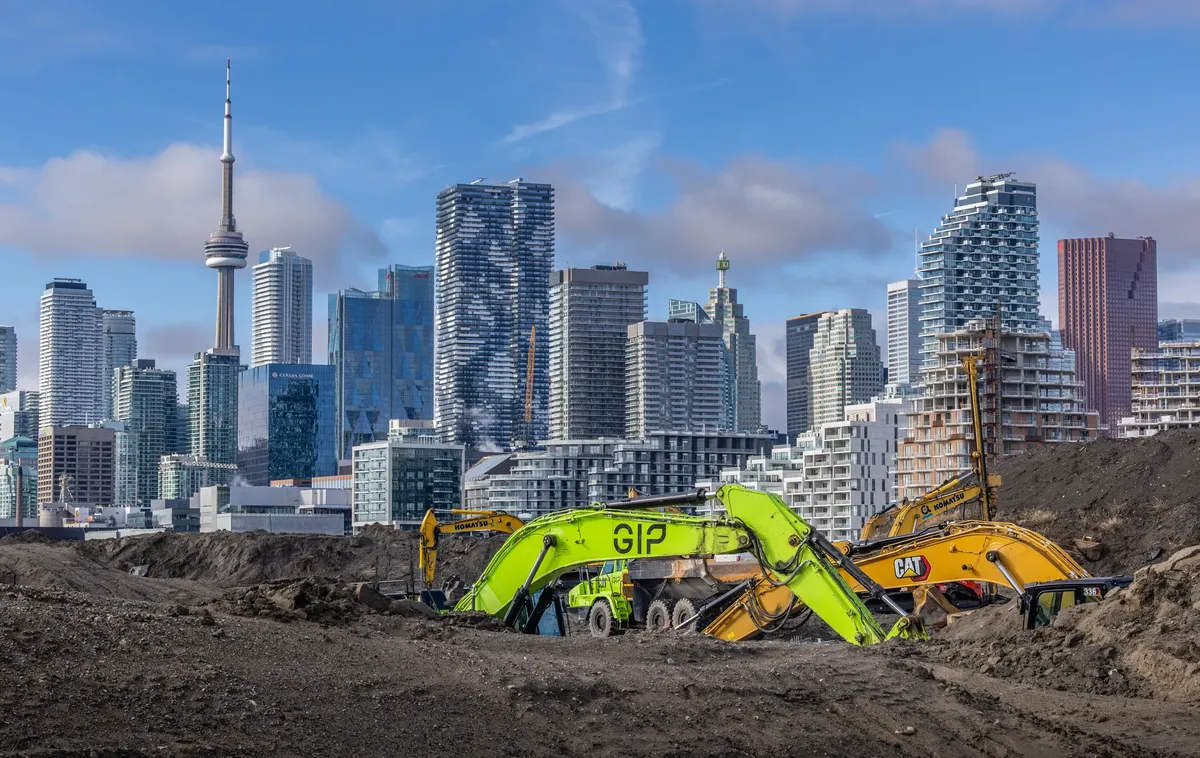
At the dusty job site in the morning, the technician taps a glowing tablet and feels the sudden warmth of a green light signaling a successful sync.
A technician adjusts a tablet interface to sync a real-time building model with a site sensor. Digital connectivity serves as the backbone for modern project management and automated workflows.
The ability to manage complex data sets relies heavily on the existing digital infrastructure within the country. According to World Bank data, Canada recorded a share of internet users of 94.4% in 2024.
This high level of connectivity facilitates the seamless transfer of architectural blueprints and project management data across remote sites.
High-speed access ensures that digital construction workflows remain uninterrupted during critical project phases. These networks allow for real-time updates that prevent costly manual errors. Reliable connectivity transforms how teams coordinate large-scale developments.
What role does high-tech manufacturing play in building tech?
A factory arm precisely assembles a specialized component for a smart building system. Manufacturing advancements are directly influencing the quality and sophistication of construction materials.
The integration of advanced components into traditional building supplies is a growing trend.
This strength in high-tech production supports the development of specialized tools and components used in modern builds.

Advanced construction systems benefit from this manufacturing expertise. As components become more specialized, the industry sees a shift toward precision-engineered solutions. This evolution supports more complex and durable structures.
According to World Bank, the 2024 record includes 94.4%.
How are green and smart technologies merging?
An engineer examines a solar-integrated facade under the bright sun of a demonstration site. The convergence of sustainability and intelligence is defining the next generation of infrastructure.
Modern exhibitions are increasingly highlighting the intersection of ecology and engineering. Recently, the 2026 Green & Low-Carbon Expo and the 2026 International Engineering Construction Expo opened at the National Exhibition and Convention Center (Tianjin).
These events demonstrate how smart, green construction can be implemented on a grand scale.
Future of building tech depends on these sustainable breakthroughs. The industry is moving toward solutions that reduce carbon footprints while maintaining structural integrity. Integrating renewable energy into building designs is becoming a standard requirement.
What are the essential components for smart building tools?
A technician installs a semiconductor-based controller into a central building management panel. The microscopic components driving large-scale automation are becoming increasingly complex.
The hardware driving automation requires highly specialized parts. IICIE 2026 showcases Chip, IC Design / Manufacturing Service, Semiconductor Equipment, Semiconductor Material, Semiconductor Core Parts, Compound Semiconductor & Power Device.
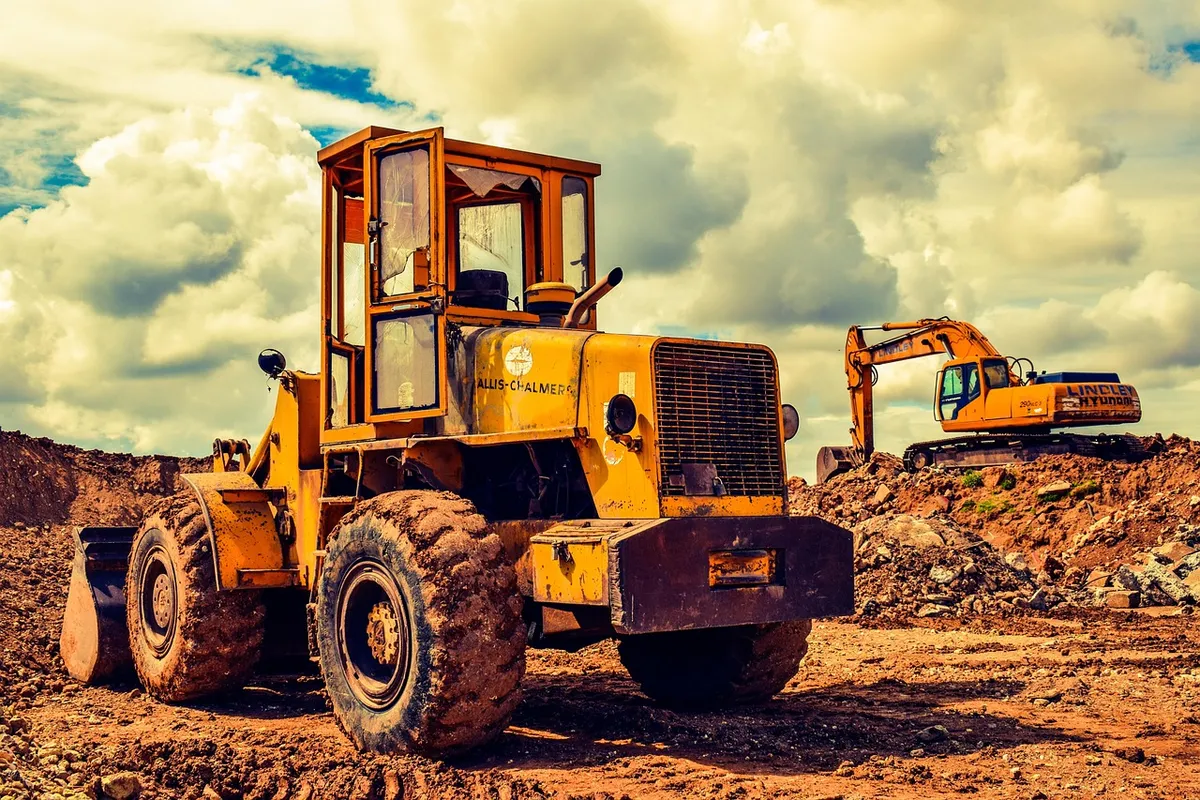
These technical elements are critical for the sensors and controllers that make buildings "smart."
AI in construction projects often relies on these precise hardware foundations to process environmental data. Without reliable semiconductor technology, the automation of HVAC and lighting systems would be impossible. The hardware acts as the nervous system for modern structures.
How do professionals manage the shift to new technologies?
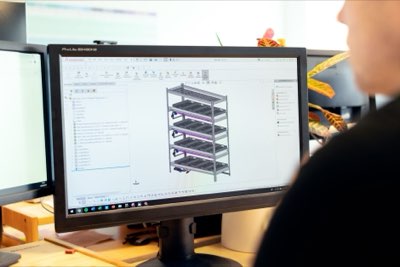
A veteran architect reviews a digital twin of a skyscraper on a large touch-screen monitor. Professional expertise is required to translate new technological capabilities into safe, buildable reality.
Expertise remains the most vital element when adopting new tools. The Construction Specifications Institute (CSI) is a United States national association of more than 6,000 construction industry professionals who are experts in building construction and the materials used therein.
Such organizations ensure that innovation meets rigorous industry standards.
Professionals must stay updated on how AI in construction projects influences traditional methods. This transition requires a blend of old-world structural knowledge and new-world digital literacy. Ensuring safety while embracing speed is the primary challenge for the modern expert.
| Metric | Value |
|---|---|
| Canada Internet User Share (2024) | 94.4% |
| Canada High-Tech Export Share (2024) | 16.1% |
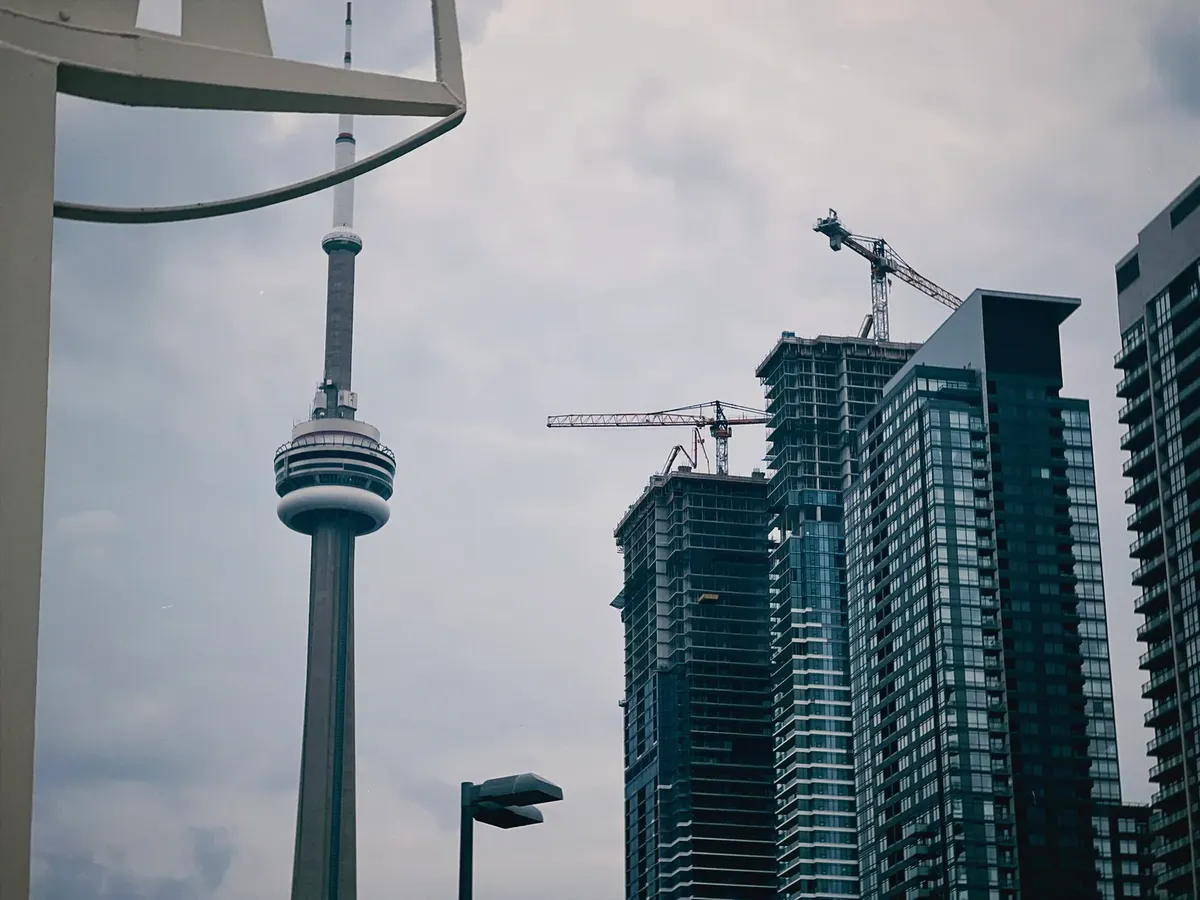
I observed how the digital infrastructure allowed for a seamless transition from a blueprint to a physical site model during a recent demonstration.
A limitation of these advancements is that high-tech manufacturing shares, such as the 16.1% recorded in 2024, vary significantly by sector and may not reflect all construction-specific material growth.
- How does digital connectivity impact Canada construction tech 2026?
- What role does high-tech manufacturing play in building tech?
- How are green and smart technologies merging?
The subject here is Canada construction tech 2026.
The same subject is also called 2026 Canada build tech.
The same subject is also called Innovations in construction 2026.
Related
- How does global population growth drive urban planning?
- SCTE Cable Expo history: Why standards drive evolution
How does professional expertise bridge the gap?
The professional role is to translate the potential of new technology into practical, buildable reality. This requires deep knowledge of both modern digital capabilities and established structural principles. The architect's ability to bridge these domains is crucial for successful implementation.
This expertise acts as the necessary filter, ensuring that the high-tech components function within the constraints of a real-world build site. The knowledge base of organizations like the CSI provides the standard against which innovation must be measured.
Without this experienced oversight, the most advanced digital models remain theoretical exercises rather than actionable construction plans.






Comments 0