How does global population growth drive urban planning?
"The expansion of urban spaces is often driven by the momentum of global gatherings, yet the lasting footprint remains in the transit lines and infrastructure left behind."
Global events often serve as catalysts for massive shifts in how cities manage growth and transit. This analysis explores how large-scale expositions influence urban development through infrastructure expansion and planning frameworks.
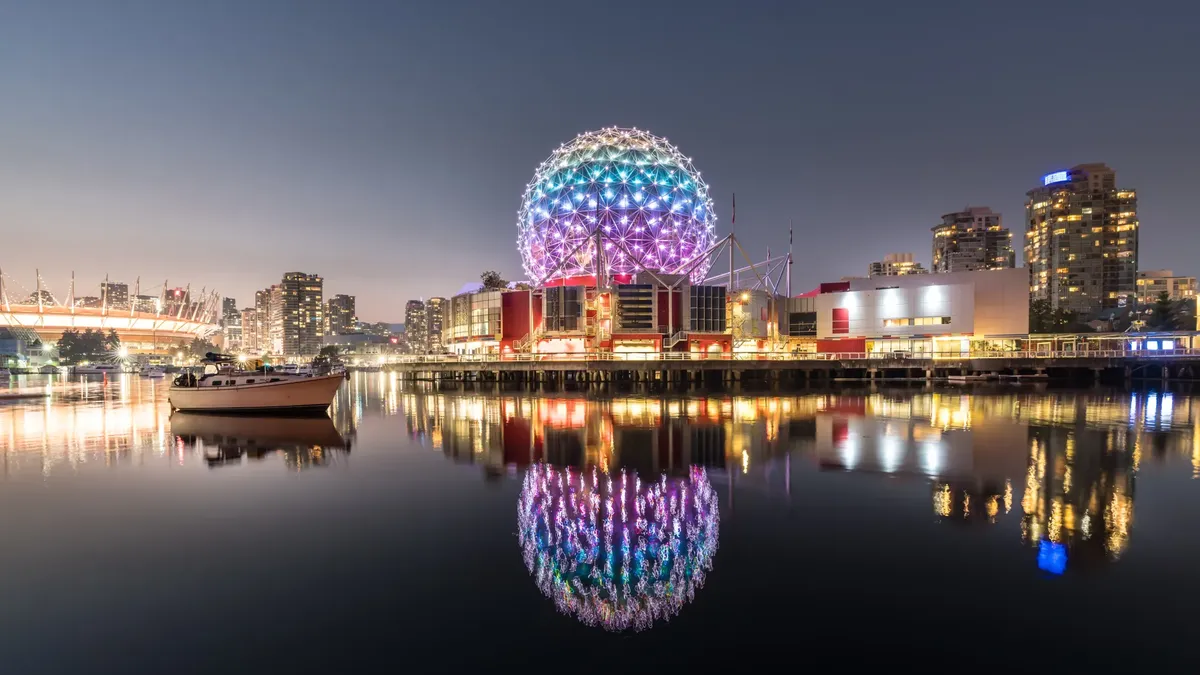
Key takeaways include the long-term impact of transit extensions and the administrative structures required to manage such massive urban shifts.
How does global population growth drive urban planning?
At dusk, the planner wipes sweat from her forehead while she watches how the surging crowd does swell into the narrow street.
A planner walks through a crowded metropolitan intersection, observing the sheer volume of commuters moving through a single transit hub. The necessity for smarter urban design becomes clear when considering the massive scale of future human movement.
According to the United Nations Department of Economic and Social Affairs, it was predicted in 2018 that around 2.5 billion more people will occupy urban areas by 2050 based on global migration elements.
This massive influx necessitates proactive planning to prevent congestion and ensure efficient resource distribution.
Urban regeneration success often depends on how these growth projections are translated into physical infrastructure. Without foresight, the sudden density of an expanding population can overwhelm existing systems.
What role does administrative planning play in hosting an Expo? Expo urban renewal link
Late at night in the quiet office, a tired official rubs his eyes while he reads how the commission does manage the complex project blueprints.
An official sits at a desk, reviewing legal documents that outline the creation of a specialized commission to manage a multi-year project. The transition from a concept to a physical reality requires rigorous legal and organizational frameworks.
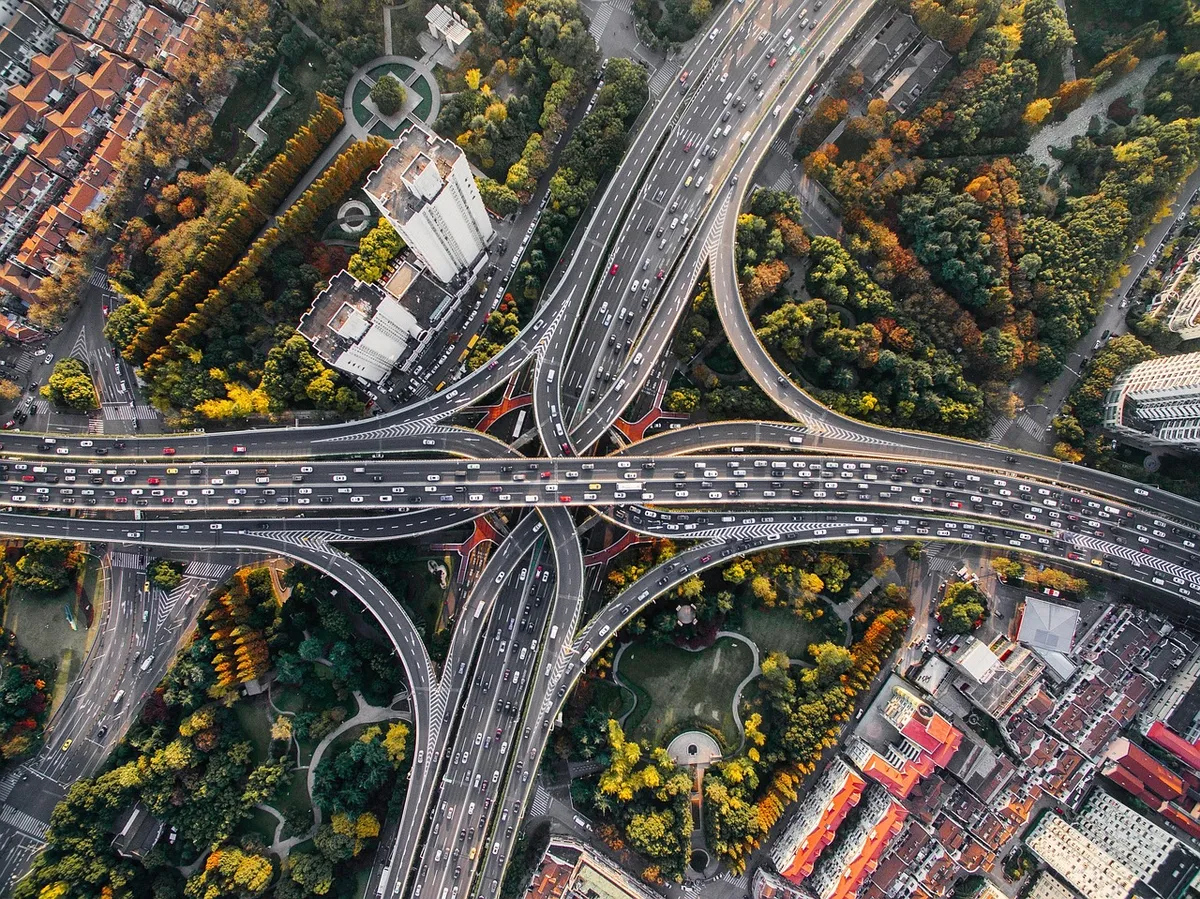
Planning for a large-scale exposition involves complex organizational efforts, such as when planning for an exposition in the Philippines began in 1993. This process was promoted by the private-sector World Expo 2002 Philippines Foundation.
The establishment of specific commissions ensures that the project has a dedicated leadership structure. For example, an executive order issued on May 16, 1994, established the World Expo 2002 Philippines Commission to plan the fair.
According to The United Nations Department of Economic, the 2018 record includes 2.5 billion.
How can transit extensions revitalize city connectivity?
A commuter stands on a platform, watching a train arrive as part of a newly extended line that connects distant suburbs to the city center. These physical links are the backbone of modern urban mobility.
Infrastructure projects can significantly expand the reach of a city through strategic line extensions. One notable project added 11 km (6.8 mi) and 6 new stations to the Millennium Line.
Such an Expo infrastructure effect provides lasting utility to the population long after the event concludes. These transit corridors become permanent arteries for daily commuting and economic activity.
How do different transit lines interact within a city?
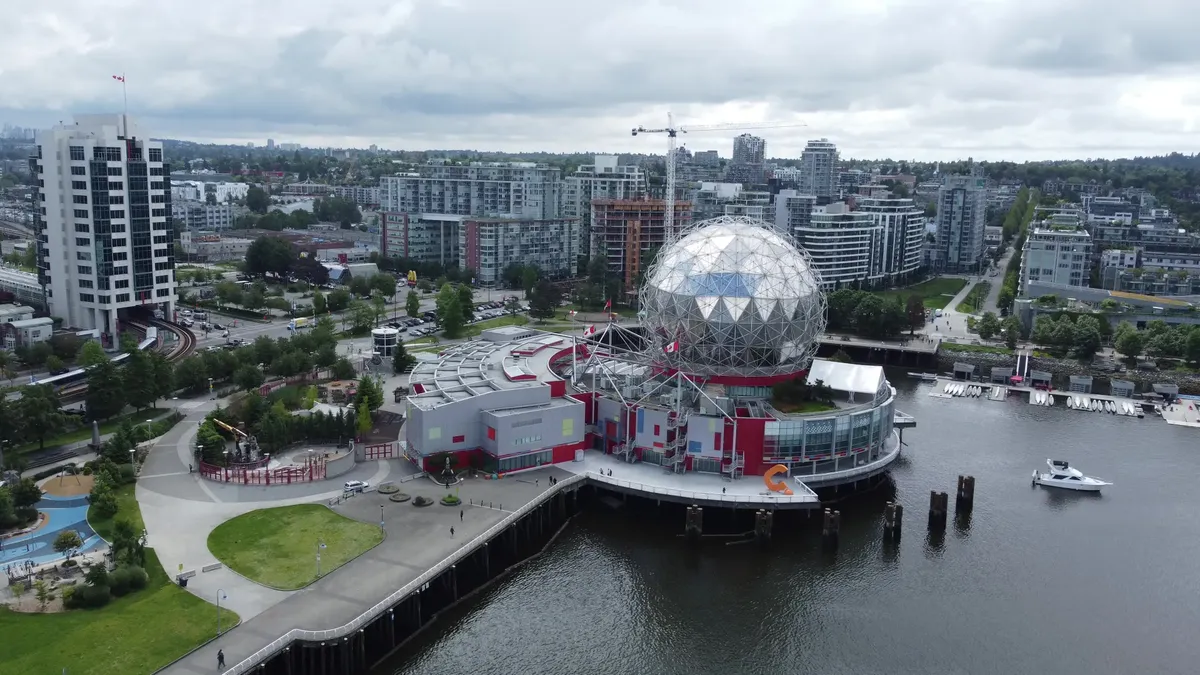
A traveler navigates a busy station, looking for the connection between two different rail lines to reach their final destination. The efficiency of a city often relies on these seamless or semi-seamless transfer points.
In many transit networks, specific hubs serve as the primary intersection for different routes. For instance, Waterfront station is the only station where the Canada Line directly connects with the Expo Line.
However, urban layouts often allow for unofficial transfers through walking paths. Vancouver City Centre station is within a three-minute walk from Granville station via the Pacific Centre mall, making an unofficial transfer to the Expo Line.
What are the steps to managing large-scale urban projects?
A project manager reviews a checklist of milestones, from initial legal establishment to the final technical execution of transit lines. Managing a project of this scale requires a structured approach to prevent chaos.
- Establish a legal foundation through executive orders or specialized commissions to oversee planning. 2. Coordinate with private-sector foundations to manage the specific interests of the exposition. 3. Execute physical infrastructure expansions, such as adding new stations and track mileage, to ensure long-term utility.
A final check of the integrated transit network ensures that new lines connect effectively with existing routes.
I observed how these planned extensions transform a simple commute into a much more efficient journey through the city.
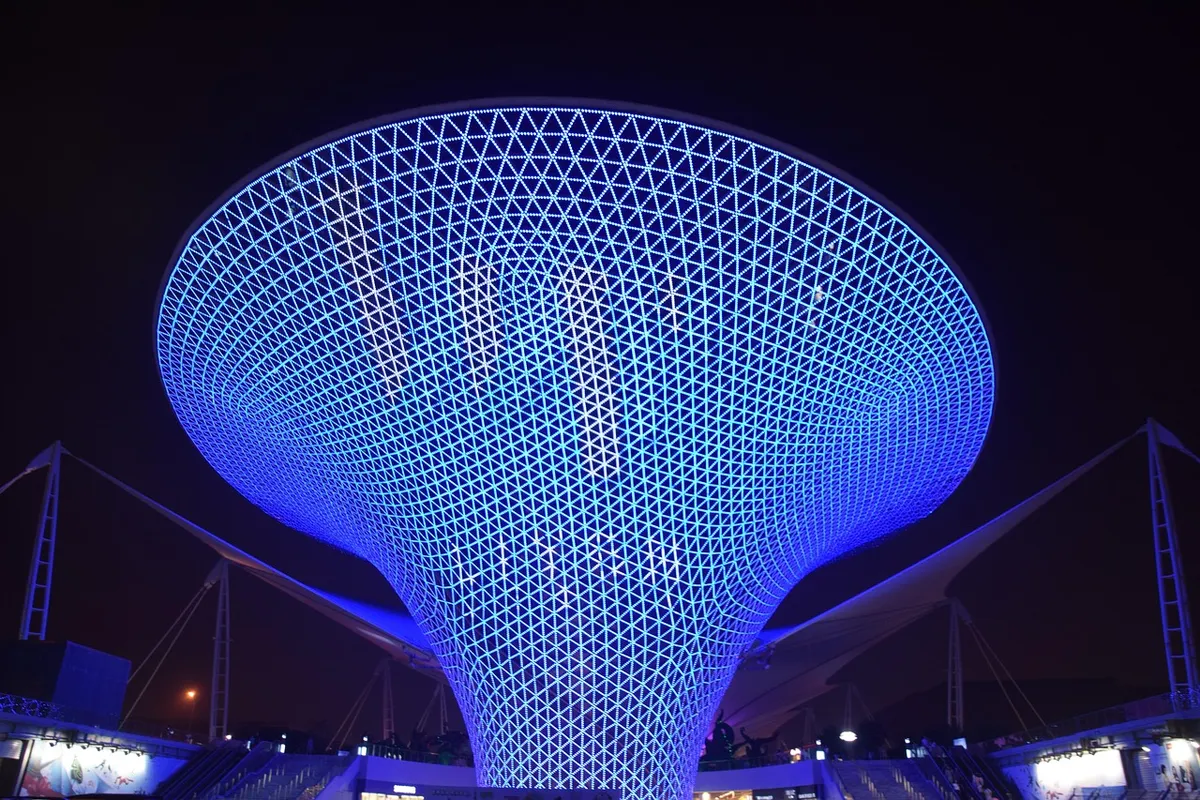
The scale of these projects can be limited by the existing geographic constraints or the connectivity of current transit lines.
- How does global population growth drive urban planning?
- What role does administrative planning play in hosting an Expo?
- How can transit extensions revitalize city connectivity?
The subject here is Expo urban renewal link.
The same subject is also called Shanghai Expo city change.
The same subject is also called Vancouver Expo impact.
The same subject is also called Expo urban development.
The same subject is also called City renewal through Expo.
This part also covers Host city transformation.
Expo infrastructure effect
Related
- SCTE Cable Expo history: Why standards drive evolution
- What can I expect from the aging process of my purchases?
What are the conditions for successful urban expansion?
- The initial legal establishment must be robust enough to sustain multi-year planning. 2. Coordination between public bodies and private-sector foundations is necessary for sustained focus. 3. Physical infrastructure expansions must be planned to serve the long-term needs of the growing urban population.
These conditions ensure that the temporary catalyst of a global event translates into enduring urban assets. The success of the expansion hinges on this initial administrative rigor.
How does the scale of growth affect planning timelines?
The prediction of a substantial increase in urban dwellers by 2050 mandates that planning must be proactive rather than reactive. Without this foresight, the sudden density resulting from population shifts can easily overwhelm existing municipal systems.
Therefore, the planning phase must account for future needs, not just present ones.
This careful consideration of future growth patterns is crucial for successful urban regeneration. It allows planners to build capacity ahead of the inevitable influx of people into metropolitan areas.






Comments 0