How do modern exhibition spaces handle diverse crowds?
"The arena is known for hosting the opening ceremony for the Expo 2010, during which it was known as the Expo Cultural Center."
The successful execution of the Shanghai Expo 2010 required massive urban restructuring and a specialized organizational framework to manage the scale of the event. This guide examines how the city prepared its infrastructure and event venues to accommodate global visitors.
Key takeaways include the utilization of dedicated cultural centers for ceremonies, the integration of large-scale exhibition venues, and the lasting impact of urban development on the city's logistical capacity.
How did the city prepare for the Expo 2010 opening ceremony?

A spotlight falls on the grand stage where thousands of spectators once gathered to witness the start of a global event. The city utilized specific venues to handle the immense crowds and cultural programming required for such a massive undertaking.
According to Wikipedia, the arena is known for hosting the opening ceremony for the Expo 2010, during which it was known as the Expo Cultural Center. This venue provided the necessary space for the high-profile kickoff that set the tone for the entire exhibition.
The scale of the event necessitated a robust organizational structure to manage guest flow and ceremony logistics. Planning for such an event involves coordinating venue capabilities with the expected influx of international delegates.
What role did exhibition venues play in the city's development?
A technician adjusts a control panel at a massive convention center, preparing for a surge of industrial visitors. The city's ability to host large-scale events relies heavily on the availability of specialized exhibition spaces that can support diverse technical requirements.
The infrastructure developed for such events often serves the city long after the initial ceremony concludes. Large venues provide the capacity for international fairs and industrial gatherings, maintaining the city's status as a global hub.
The expansion of these spaces allows for a variety of professional gatherings, from robotics to logistics. This versatility ensures that the investment in urban development continues to provide economic and social value over time.
According to World Bank, the 2024 record includes 24.7%.
How does the city manage large-scale industrial events today?
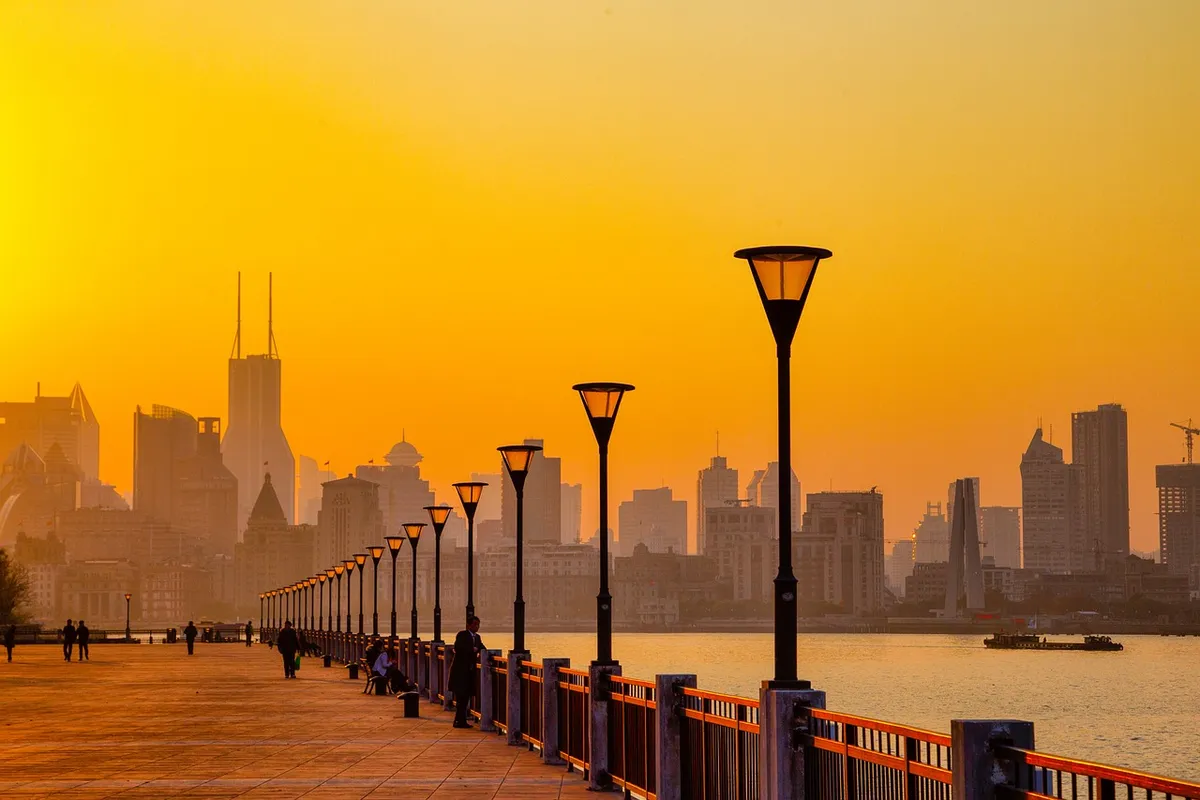
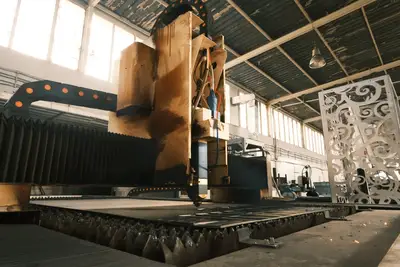
An engineer inspects a robotic arm at a crowded trade show, where the air is filled with the hum of machinery. Modern urban planning in Shanghai continues to leverage the large-scale venues established during previous eras of growth.
The China International Industry Fair (CIIF) 2026 will bring robotics buyers, engineers and developers together at the National Exhibition and Convention Center (Shanghai) from 12–16 October 2026. This demonstrates how the city maintains a specialized environment for professional gatherings.
Such events require seamless logistics and high-capacity venues to function effectively. The integration of these spaces into the urban fabric is a result of decades of strategic planning.
What are the logistical requirements for international exhibitions?
A traveler checks their schedule while walking through a bustling transit hub near the airport. Effective logistics for international shows involve proximity to transport hubs and the ability to handle high volumes of people.
Since 2015, the show is hosted at the National Center for Exhibition and Convention, located next to the Shanghai Hongqiao International Airport. This location provides essential connectivity for international participants.
Managing these events requires a balance of space, accessibility, and technical infrastructure. The city's planning efforts often focus on these specific logistical needs to ensure smooth operations.
How do modern exhibition spaces handle diverse crowds?
A visitor stands in a crowded hall, looking at a display during a large-scale digital expo. The diversity of modern events requires venues that can be reconfigured to suit different industry needs.
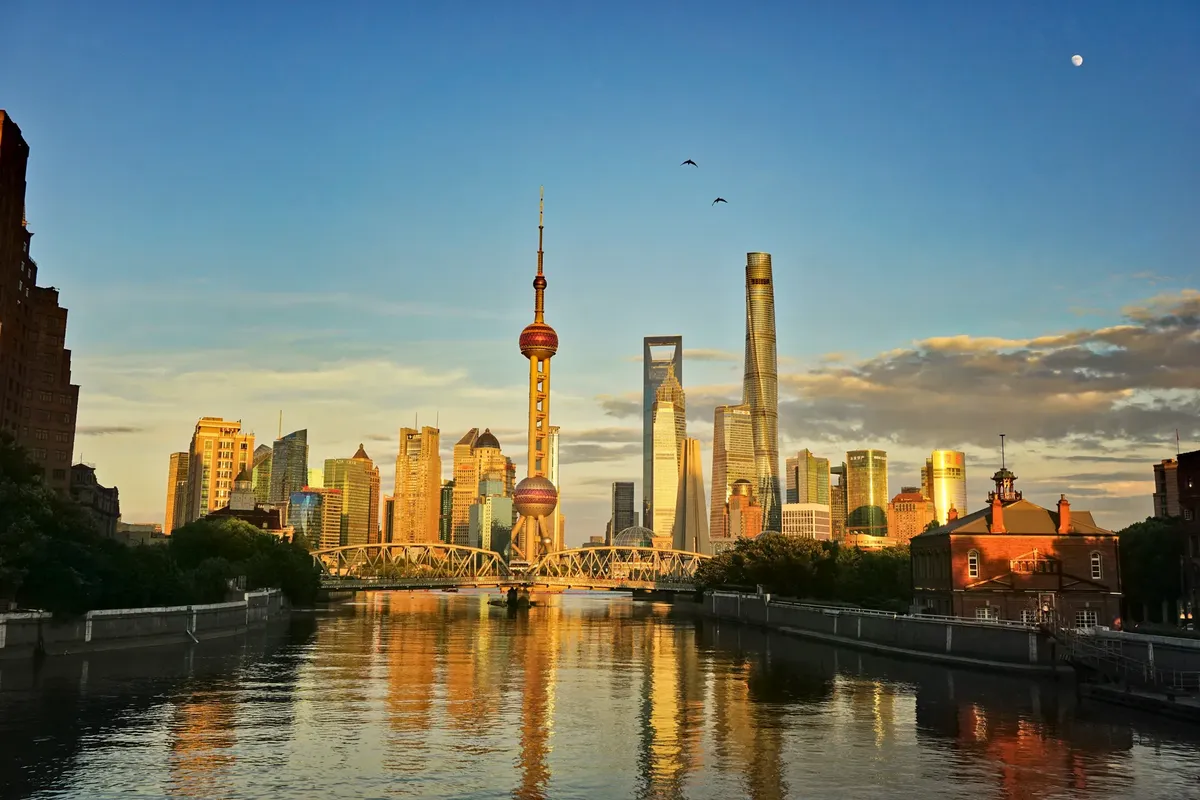
The Shanghai New International Expo Centre serves as a primary site for various large-scale gatherings, such as the China Digital Entertainment Expo and Conference. These spaces must accommodate everything from high-tech gaming to industrial logistics.
Providing specialized environments is key to successful event management. The ability to host different types of visitors is a hallmark of well-planned urban exhibition centers.
What is the relationship between urban planning and event success?
A planner reviews a map of the city, noting the placement of major transit lines and convention centers. The success of a major event like the 2010 Expo is deeply tied to the underlying urban infrastructure.
The capacity for hosting large-scale events depends on the availability of specialized venues and efficient transport links. This foundation allows the city to remain a competitive destination for global industry and culture.
| Feature | Expo 2010 Venue Role | Modern Exhibition Role |
|---|---|---|
| Primary Function | Hosting the opening ceremony | Hosting specialized industry fairs |
| Historical Identity | Known as the Expo Cultural Center | Focus on diverse professional gatherings |
I observed how the scale of the original ceremony shaped the way these venues were utilized in the years following the event. The transition from a ceremonial center to a multi-functional venue demonstrates the adaptability of urban planning.
The limitation of this overview is that it focuses on the specific venues and historical context provided rather than the entirety of the city's comprehensive urban planning documents.
World Bank Based on the retained excerpt mentioning World Bank: According to World Bank data, the world recorded high-technology share of manufactured exports of 24.7% in 2024.
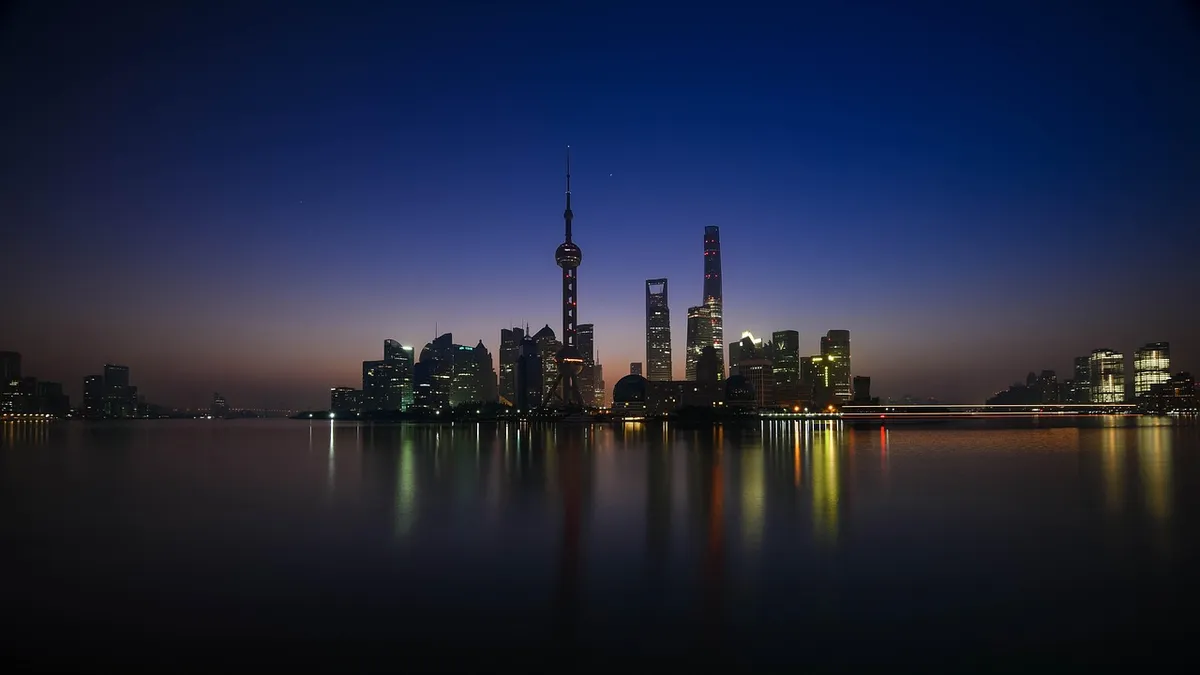
- How did the city prepare for the Expo 2010 opening ceremony?
- What role did exhibition venues play in the city's development?
- How does the city manage large-scale industrial events today?
Shanghai Expo 2010 city prep
The subject here is Shanghai Expo 2010 city prep.
The same subject is also called Expo 2010 urban development.
The same subject is also called Shanghai organization structure.
The same subject is also called Huangpu River transformation.
The same subject is also called Exhibition scale planning.
This part also covers Expo 2010 site preparation.
This part also covers Organizing the grand event.
This part also covers City facelift for the Expo.
Expo 2010 site preparation
Related


Comments 0