Which semiconductor technologies will be featured?
"The intersection of intelligence and industry is no longer a distant vision but a scheduled reality at upcoming global trade shows."
The 2026 AI manufacturing expo focuses on the integration of advanced semiconductor technology and smart production systems to drive industrial evolution.
This guide explores upcoming exhibition highlights, the specialized technological sectors involved, and the practical implications for global supply chains.
Key takeaways include a focus on semiconductor diversity, the expansion of smart manufacturing zones, and the role of specialized equipment in the AI era.
What defines the 2026 AI manufacturing expo?

A technician adjusts a high-precision sensor on a factory floor to ensure seamless connectivity. The 2026 AI manufacturing expo represents a gathering of global leaders showcasing the transition from traditional production to intelligent, automated systems.
These events serve as the primary stage for demonstrating how software and hardware converge to optimize output.
The exhibition landscape is expanding to cover diverse industrial needs through specialized zones. For instance, the Taiwan Expo USA 2026 is scheduled for September 24–26 at the Kay Bailey Hutchison Convention Center in Dallas, featuring eight thematic exhibition zones.
This variety ensures that different sectors of the industry can find specific solutions for their unique operational challenges.
Which semiconductor technologies will be featured?
An engineer examines a microscopic circuit design under a bright laboratory light. The focus on hardware is essential because AI-driven industry future relies on the physical components that process massive data loads.
Specialized exhibitions are already setting the stage by highlighting the building blocks of modern computing.
According to the CIOE 2026 event description, the showcase includes Chip, IC Design / Manufacturing Service, Semiconductor Equipment, Semiconductor Material, Semiconductor Core Parts, Compound Semiconductor & Power Device.
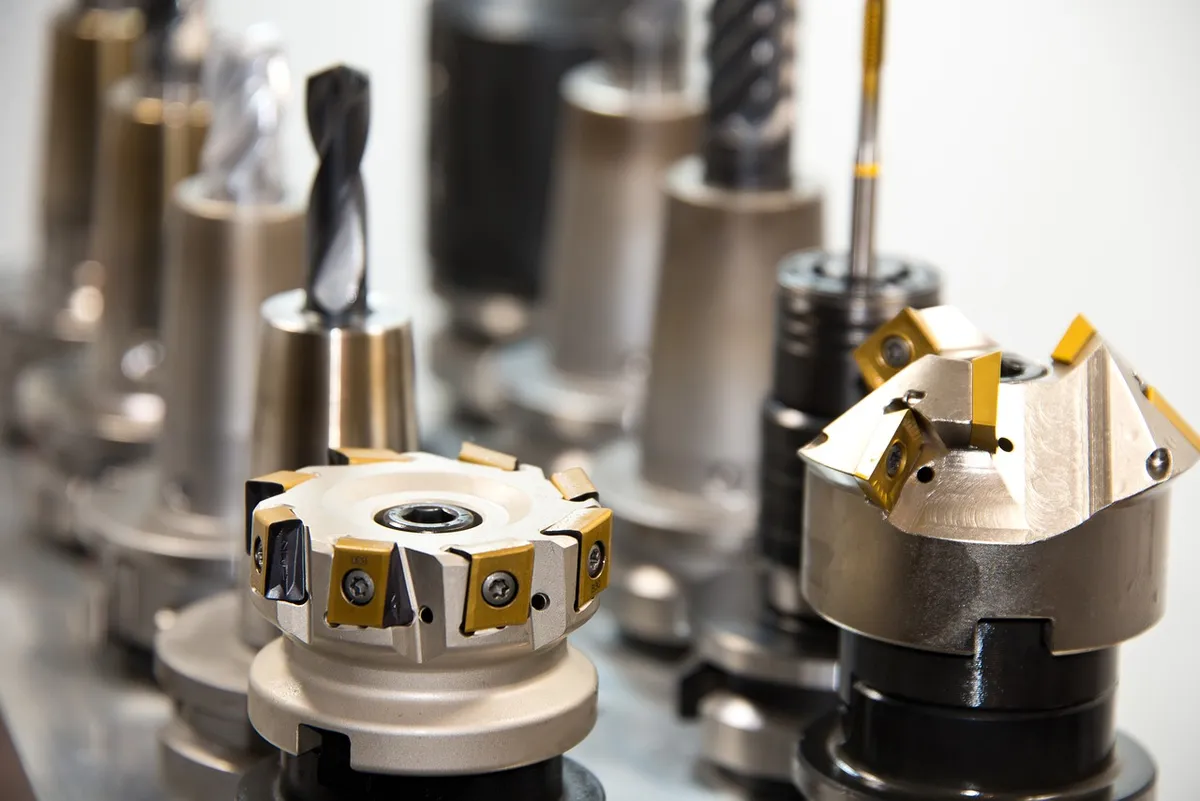
These components form the backbone of the hardware required to support intelligent automation. The convergence of these specific technologies ensures that the next generation of machines has the processing power necessary for real-time decision-making.
How will smart factory tech show trends impact production?
An operator monitors a digital dashboard that tracks the real-time efficiency of a robotic arm. Integrating intelligence into the factory floor changes how companies approach maintenance and throughput.
The smart factory tech show trends suggest a shift toward more modular and responsive production environments.
The integration of these technologies allows for more precise control over complex manufacturing processes. By utilizing advanced semiconductor materials and power devices, manufacturers can build more efficient systems.
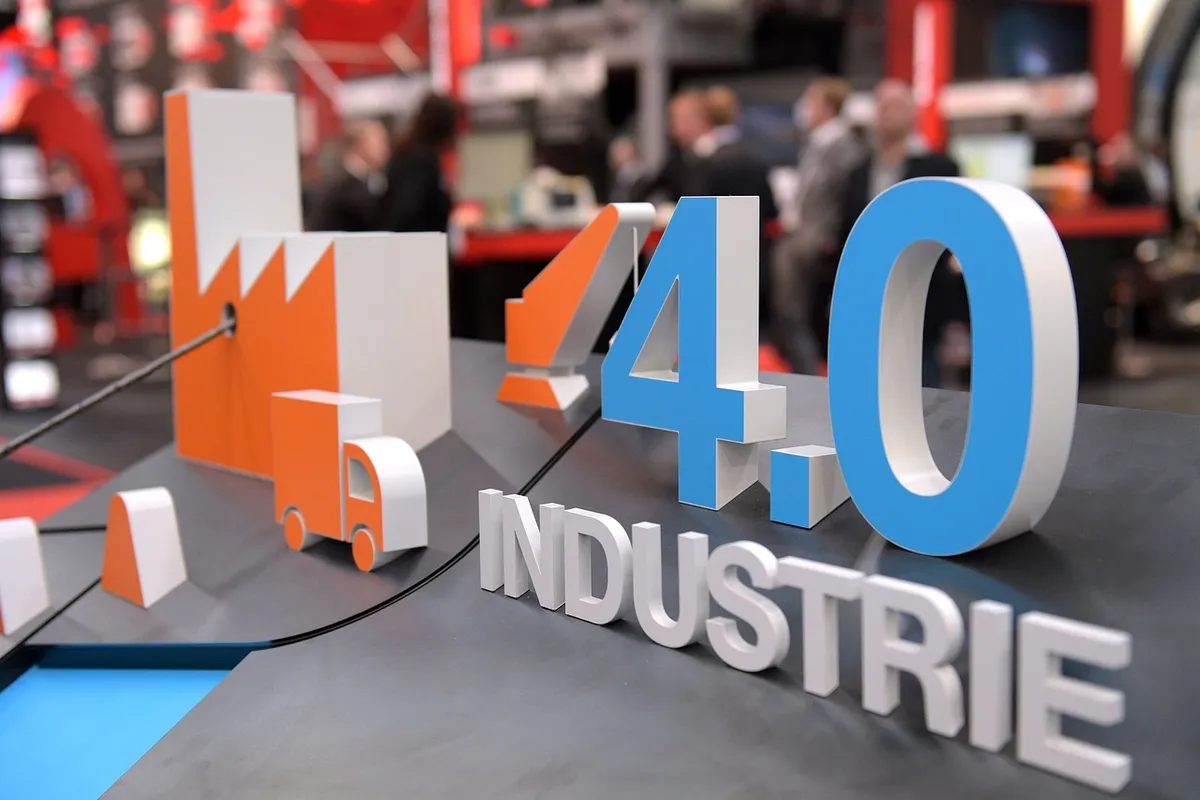
This technological foundation supports the broader transition toward Industry 4.0, where machines communicate and optimize themselves within a networked environment.
What are the key elements of next-gen production exhibit displays?
A visitor walks through a crowded hall, observing a demonstration of a fully automated assembly line. Attendees at these large-scale events look for practical applications that can be implemented in existing facilities.
A next-gen production exhibit typically highlights the synergy between cutting-edge hardware and intelligent software.
The following elements are common in these displays: 1. Advanced semiconductor equipment that enables high-speed processing. 2. Integrated IC design services that tailor chips to specific industrial tasks. 3.
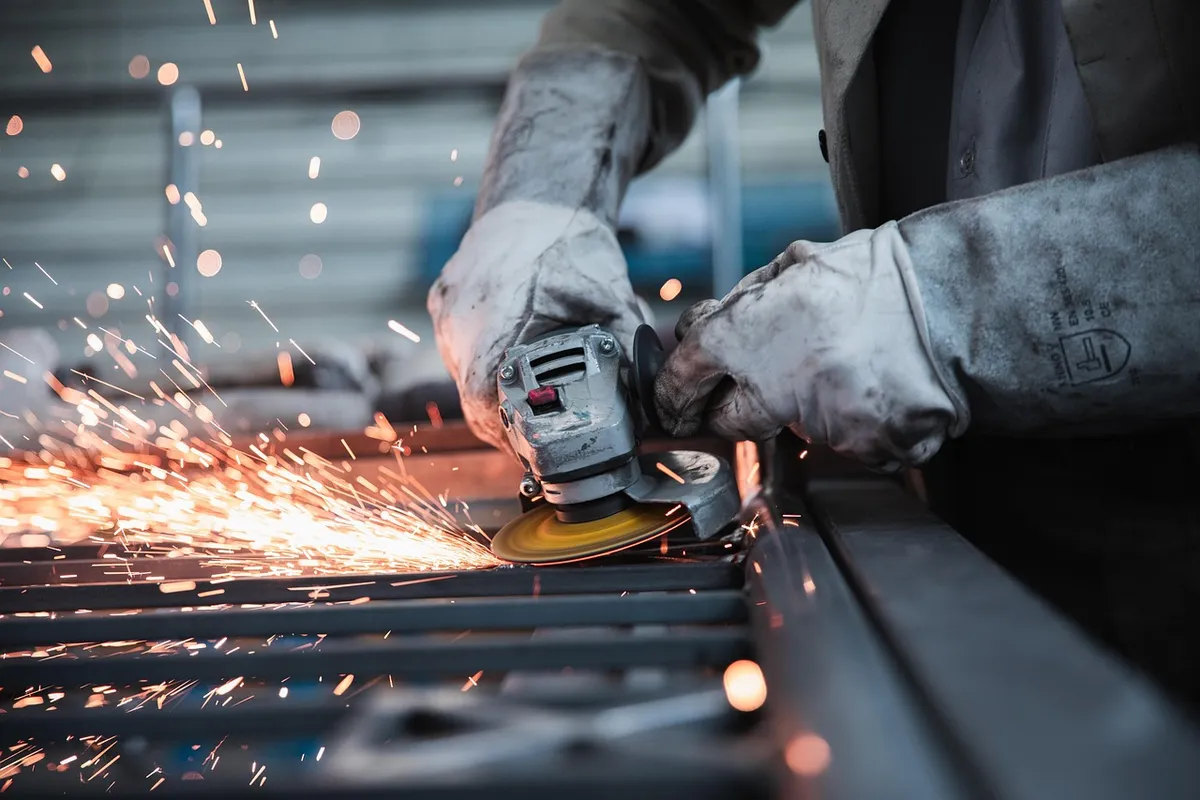
Smart manufacturing solutions that bridge the gap between digital design and physical assembly.
A final check of these components ensures that the hardware can handle the rigorous demands of continuous industrial operation.
How can industries prepare for AI manufacturing breakthroughs?
A manager reviews a strategic plan while looking at a digital twin of a production facility. Preparing for AI manufacturing breakthroughs requires a clear understanding of how new hardware integrates with legacy systems.
Companies must evaluate their current infrastructure to identify where intelligent upgrades will provide the most value.
The transition involves several strategic steps: 1. Assess existing semiconductor and component requirements to support new software. 2. Evaluate the compatibility of current equipment with advanced power devices and core parts. 3.
Implement pilot programs using smart manufacturing solutions to test scalability.
I observed how these technological shifts require a deep understanding of both hardware limitations and software potential during recent industry discussions.
How do these advancements affect the global supply chain?
A shipping container is loaded onto a vessel, representing the movement of high-tech goods across borders. The global scale of these exhibitions reflects the interconnected nature of the modern supply chain.
When one region advances in semiconductor manufacturing, it impacts the entire global production ecosystem.
The specialized nature of these components means that disruptions in one sector, such as semiconductor material or core parts, can affect multiple industries.
As the 2026 AI manufacturing expo brings these technologies to the forefront, companies must develop more resilient and flexible supply chains. This resilience is built on the ability to source advanced components and integrate them into various production stages globally.
- What defines the 2026 AI manufacturing expo?
- Which semiconductor technologies will be featured?
- How will smart factory tech show trends impact production?
The same subject is also called AI manufacturing trends 2026.
The same subject is also called AI driven industry future.
This part also covers Industry 40 revolution.
Related



Comments 0