Industry show evolution: Tips from venue expansion history
"The expansion of venue capacity often dictates the physical boundaries and organizational structure of industry gatherings."
Specialized industry exhibitions have transitioned from fragmented, multi-location events into consolidated, high-capacity hubs driven by venue expansion and technological integration. This evolution reflects a shift from localized gatherings to massive, centralized industry expositions.
Key takeaways include the impact of venue growth on consolidation, the transition from scattered halls to unified centers, and how infrastructure dictates the scale of industry show evolution.
How did venue expansion shape the industry show evolution?
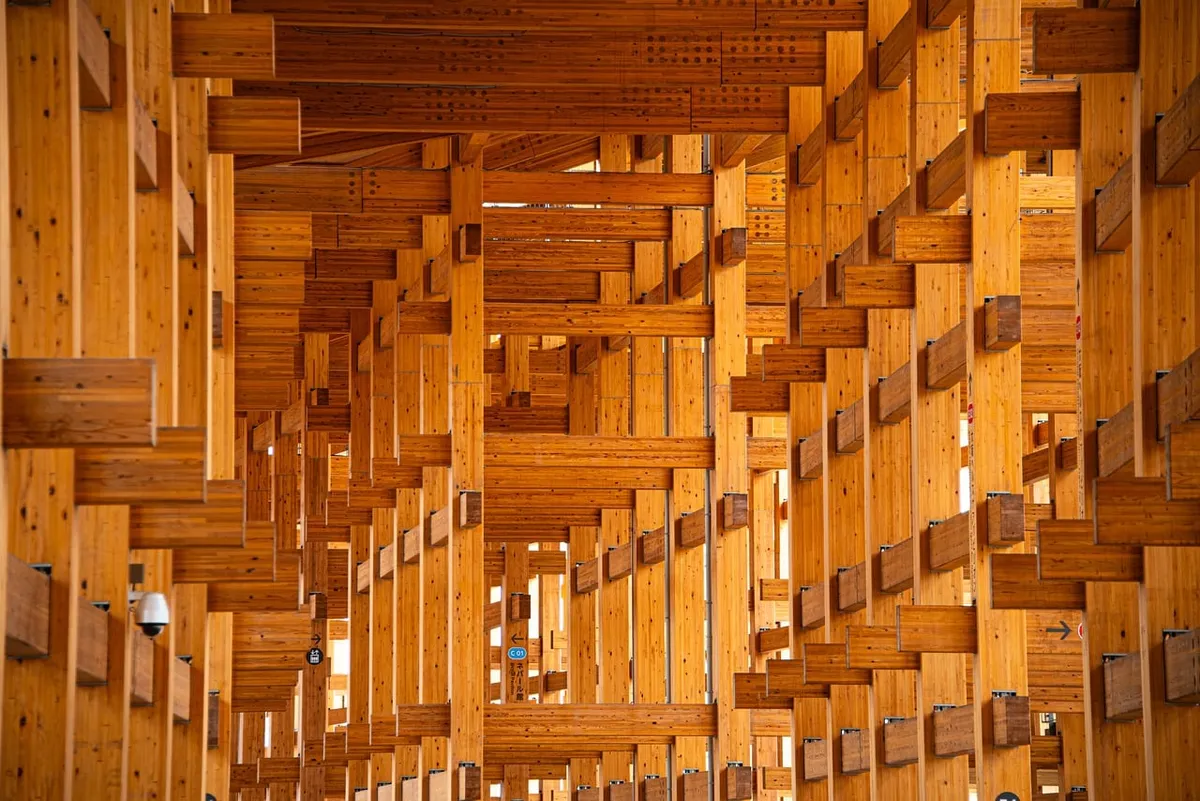
At dawn, the organizer runs a hand over the cold metal of the new hall, envisioning how the massive space will reshape the entire industry.
A quiet organizer walks through a massive, empty hall, imagining the thousands of attendees who will soon fill the space. In the past, industry gatherings were often split between different venues due to limited space.
This fragmentation made it difficult for attendees to navigate the full scope of the event.
The history of specialized shows shows that physical constraints often forced organizers to host different segments of an exhibition in separate locations.
This move toward a single site allowed for a more seamless experience.
As venues grew, the trade show history changed from a series of disjointed meetings to a unified industry event. Large-scale expansions allowed companies to bring all their displays under one roof, fostering better networking.
This consolidation turned once-scatterно events into the massive, centralized trade fairs we recognize today.
What were the stages of professional expo trends?
An attendee looks at a map of a city, tracing the paths between various halls to find a specific booth. The transition from small-scale gatherings to massive expos happened through several distinct phases of growth.
One phase involved the use of multiple halls, such as when events were spread across different city centers. Another phase occurred when infrastructure improvements allowed for the unification of these scattered elements.
Finally, modern large-scale venues enabled the centralized, massive scale seen in current specialized exhibitions.
The sector expo trends moved from simple product displays to complex, multi-sensory environments. As the scale increased, the technical requirements for power, connectivity, and space management also grew.
This shift necessitated the development of massive exhibition centers designed to handle thousands of simultaneous interactions.
How did the industry event shift manifest in logistical changes?
A logistics manager checks the floor plan, ensuring that the transition from old hall layouts to new, larger spaces is seamless. The movement toward larger venues was not just about more room; it was about the ability to consolidate entire industries into a single, manageable ecosystem.
The identity of a specialized exhibition often changed when it moved from a small hall to a massive center. When the Expo moved to the Moscone Center in 1993, it marked a significant shift in how the show was managed and experienced.
This consolidation allowed for a more cohesive brand identity and easier navigation for attendees.
The trade fair changes were often driven by the need for better infrastructure. Moving to larger, more modern centers allowed for more advanced technical setups and larger-scale demonstrations. This evolution ensured that the show could scale alongside the industries it represented.
What role did technological development play in the trade show journey?
A technician adjusts a high-definition screen, preparing for a demonstration that requires significant bandwidth and space. Throughout the history of these events, technological shifts have dictated how much space is needed and how much content can be displayed.
The trade show journey involved moving from physical paper catalogs to digital interactive displays. As the physical size of the venues grew, the capacity to host massive digital installations also increased.
This created a feedback loop where larger venues enabled more advanced tech, which in turn attracted larger crowds.
The tech expo development was intrinsically linked to the growth of the venues themselves. Larger spaces provided the footprint necessary for heavy machinery and large-scale digital setups.
This allowed the exhibitions to serve as much more than just meetings, turning them into living demonstrations of industrial progress.
How can we analyze the industry display past through venue capacity?
A researcher reviews old photographs of crowded, tight hallways compared to the vast, open spaces of modern exhibition halls. The relationship between the size of the industry and the size of the venue is a primary driver of exhibition history.
The industry display past shows that as industries grew, the necessity for larger exhibition spaces became critical. When the expansion of Moscone Center occurred in 1993, it facilitated the consolidation of the show into one location.
This single-location model became the standard for large-scale professional gatherings.
| Era | Venue Characteristic | Primary Impact |
|---|---|---|
| Pre-Expansion | Fragmented/Multiple Halls | Split attendee groups |
| Post-Expansion | Consolidated/Single Center | Unified industry focus |
I remember looking at maps of old exhibition routes and realizing how much travel was required between halls before consolidation became common. This comparison highlights how venue growth fundamentally changed the attendee experience.
A limitation of this analysis is that it focuses on the physical shift caused by venue expansion, which may not account for all qualitative changes in exhibition management.
- How did venue expansion shape the industry show evolution?
- What were the stages of professional expo trends?
- How did the industry event shift manifest in logistical changes?
Related



Comments 0