Expo infrastructure impact: Why residents feel the change
Large-scale exhibitions and world expos serve as catalysts for profound urban transformation, reshaping how cities function long after the gates close. These events drive massive investment into transport networks, housing infrastructure, and digital connectivity, often forcing a complete overhaul of existing city planning.
This analysis explores how Expo infrastructure impact shapes modern metropolitan areas through strategic urban redevelopment. We will examine the ripple effects on transit, the shifting landscape of residential zones, and the broader social impact of these massive projects.
How does Expo infrastructure impact urban planning?
A blueprint for a new transit hub spreads across a drafting table, representing years of logistical preparation. The physical presence of a massive event requires a complete rethinking of how people move through a city.
According to KOSIS, verified official statistics such as population, general society, and crime/safety can be utilized for planning.
Effective Expo infrastructure impact often begins with the expansion of high-capacity transit lines to accommodate millions of visitors. Planners must look beyond the event dates to ensure that these transit networks serve the permanent population.
This transition from temporary event access to permanent connectivity is a cornerstone of modern urban development.
Strategic investment in transport networks often serves as the backbone for broader city planning. By building rail lines or expanding highways specifically for an expo, cities create lasting assets that facilitate daily commuting for decades.
This foresight prevents the infrastructure from becoming obsolete once the exhibition period ends.
The shift toward smarter, more integrated transit systems is a common result of these large-scale projects. When a city undergoes a transport network overhaul, it often modernizes its entire digital and physical transit interface.
This creates a more efficient environment for both residents and future visitors.
What is actually driving urban redevelopment? A construction crane lifts heavy steel beams over a developing district, signaling the start of a new era for the neighborhood. Urban redevelopment is frequently triggered by the need to create space for both the exhibition and the surrounding community.
The scale of an expo necessitates significant land use changes, often leading to the revitalization of neglected industrial zones or waterfronts. This process of urban redevelopment turns underutilized areas into vibrant hubs of activity.
These zones are then integrated into the city's social and economic fabric.
Housing infrastructure shift is a secondary but vital component of the redevelopment process. As new districts are built to host visitors, residential developments often follow to provide housing for the new workforce and permanent residents. This creates a more balanced, mixed-use environment.
The interplay between commercial and residential needs dictates the success of these projects. Planners must balance the immediate need for visitor accommodation with the long-term requirement for stable housing. Without this balance, the development risks becoming a ghost town after the event.
How do these projects affect the local population?
A resident watches from a balcony as a new park replaces an old warehouse, feeling the change in their neighborhood's atmosphere. The social impact of large-scale events is felt most acutely by the people living in the shadow of the new developments.
The social impact study of such events often reveals a mix of economic opportunity and community displacement. While new jobs and amenities are created, the cost of living in the revitalized area can rise significantly.
This tension between growth and affordability is a central challenge in urban planning.
The redistribution of resources can lead to improved public services, such as better parks, safer streets, and enhanced digital connectivity. These amenities improve the quality of life for the local population, provided the benefits are distributed equitably.
Economic shifts are also a primary consideration during the planning phase. New businesses often move into the area to capitalize on the increased foot traffic and modern amenities.
This can lead to a more diverse local economy, though it may also change the traditional character of the neighborhood.
How do I successfully integrate infrastructure? A city planner sits in a quiet office, reviewing a multi-year timeline that maps out the integration of new transit lines with existing streets. Successful integration requires a disciplined approach to ensure that new assets do not disrupt the existing city rhythm.
- Conduct a comprehensive assessment of existing transit capacity to identify where new lines must connect with current networks. 2. Develop a phased construction schedule that allows for the gradual rollout of infrastructure without paralyzing the city's daily movement. 3. Implement long-term maintenance and management plans to ensure that the new assets remain functional long after the event concludes.
I have observed that the most successful projects are those where the new infrastructure feels like a natural extension of the city rather than an isolated island. Integrating these elements requires careful attention to the existing streetscape and pedestrian flow.
The final check involves testing the interoperability of new systems with old ones. If a new rail line cannot seamlessly connect to the city's central station, the investment loses much of its social and economic value.
Can these changes be reversed or sustained?
A technician monitors a digital control panel in a modern transit station, ensuring the seamless flow of passengers through the new corridor. The sustainability of these massive investments depends on how well they are integrated into the daily life of the city.
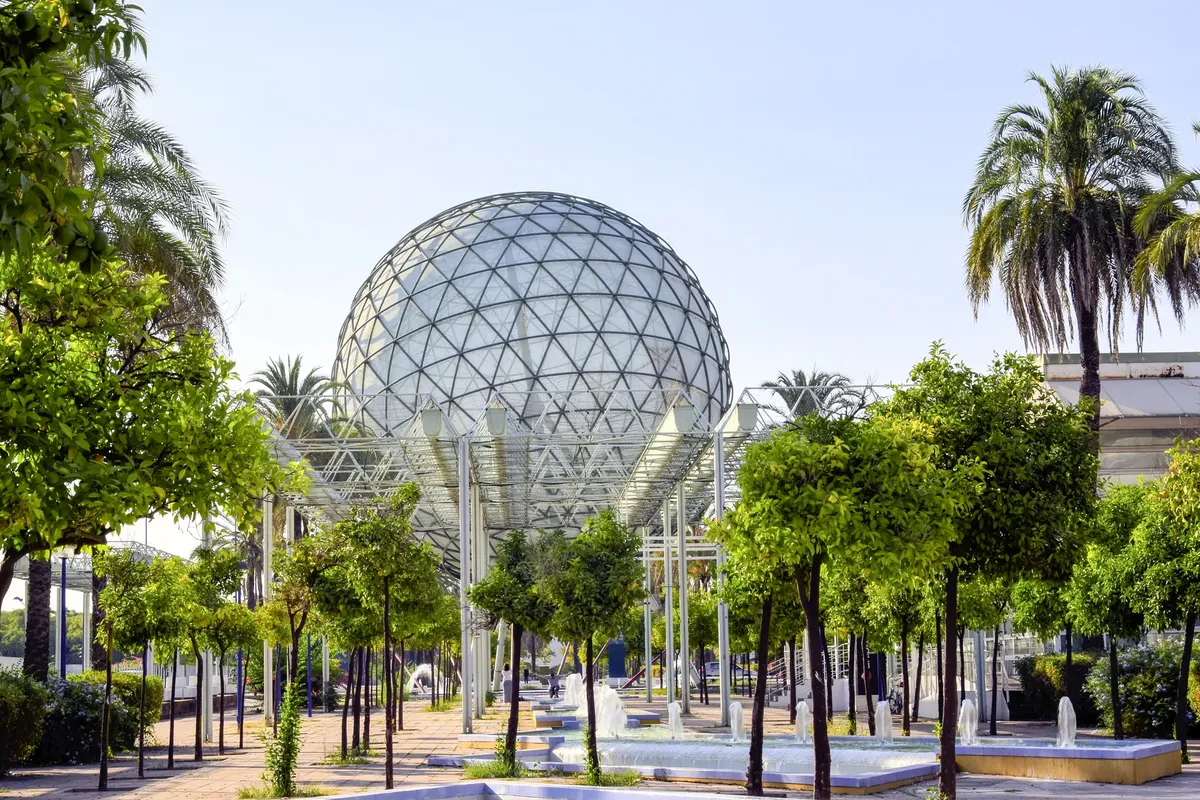
The primary limitation of such projects is the risk of creating "white elephant" infrastructure—expensive assets that are too large or too specialized for everyday use. If the infrastructure is too focused on the specific needs of an expo, it may fail to serve the general population effectively.
| Infrastructure Type | Primary Event Use | Long-Term Urban Benefit |
|---|---|---|
| High-Capacity Transit | Mass Visitor Movement | Permanent Commuter Network |
| Large-Scale Public Plazas | Event Gathering Space | Community Social Hubs |
The ability to sustain these changes depends on the diversity of the district's use. A district that only serves the event will struggle, whereas a district that supports living, working, and playing will thrive.
- How does Expo infrastructure impact urban planning?
- What is actually driving urban redevelopment?
- How do these projects affect the local population?
The same subject is also called Expo urban development.
Related


Comments 0